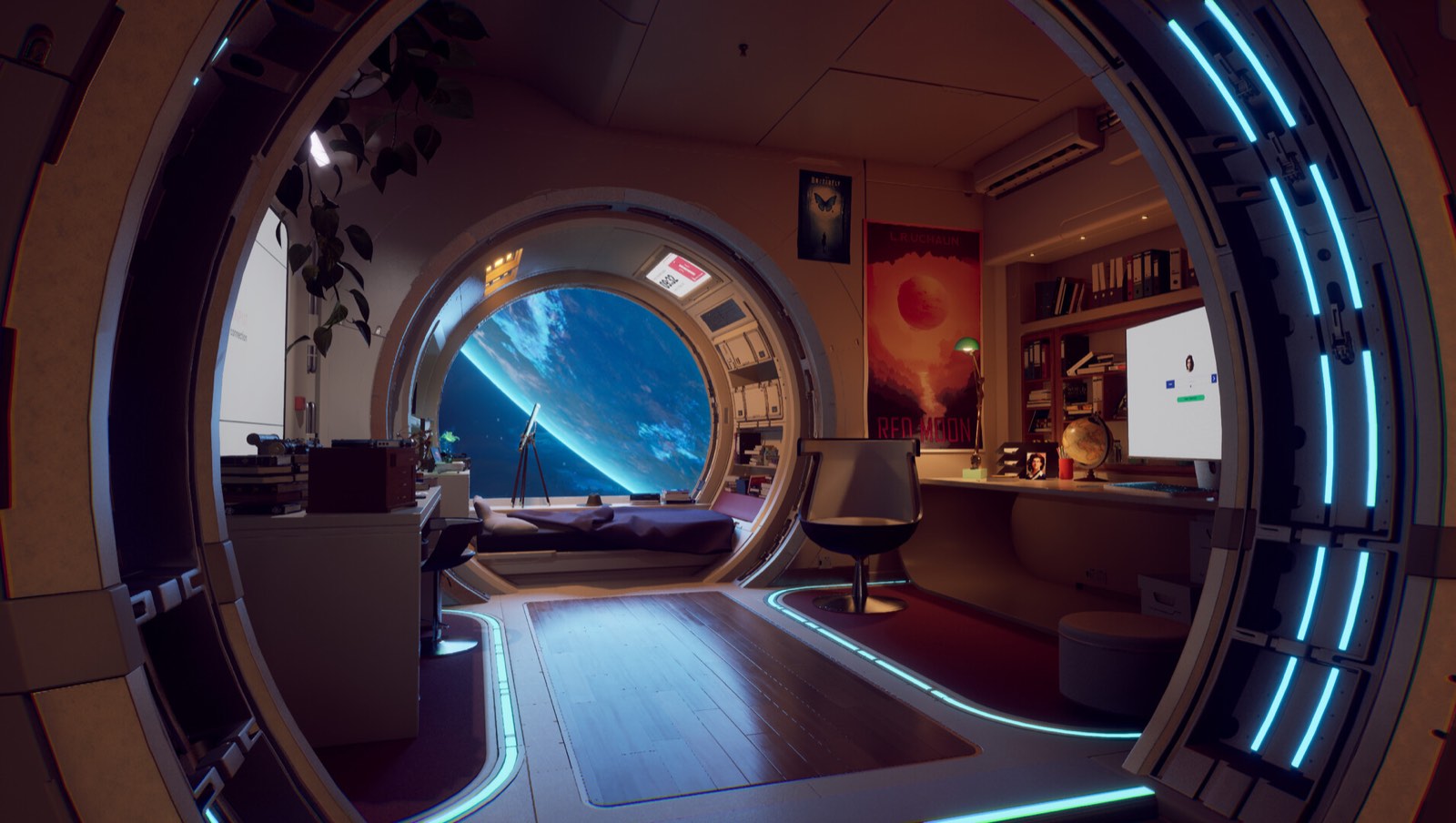
The loop remembers the answer for you
Time-loop puzzle games make a promise: the world can reset without erasing what the player learned. Rivage gives that promise a piece of interface. Its K9 System can log discoveries and retain certain puzzle solutions while the A.R.E.S. station remains caught in its loop.
Solving a puzzle and typing the old answer again are different kinds of work. K9 appears to mark the point where Rivage accepts that the player already knows enough to move on.
Miranda wakes alone aboard a space station after a phenomenon catches the crew and the station. Objects sit out of place, doors open under new conditions, and messages left by the missing crew turn the station into both a physical puzzle and an investigation.
The official pages describe repairs and environmental problems involving gravity, magnetism, and the flow of time. K9 records discoveries and keeps certain solutions, so at least part of the investigation can survive when the surrounding situation does not.
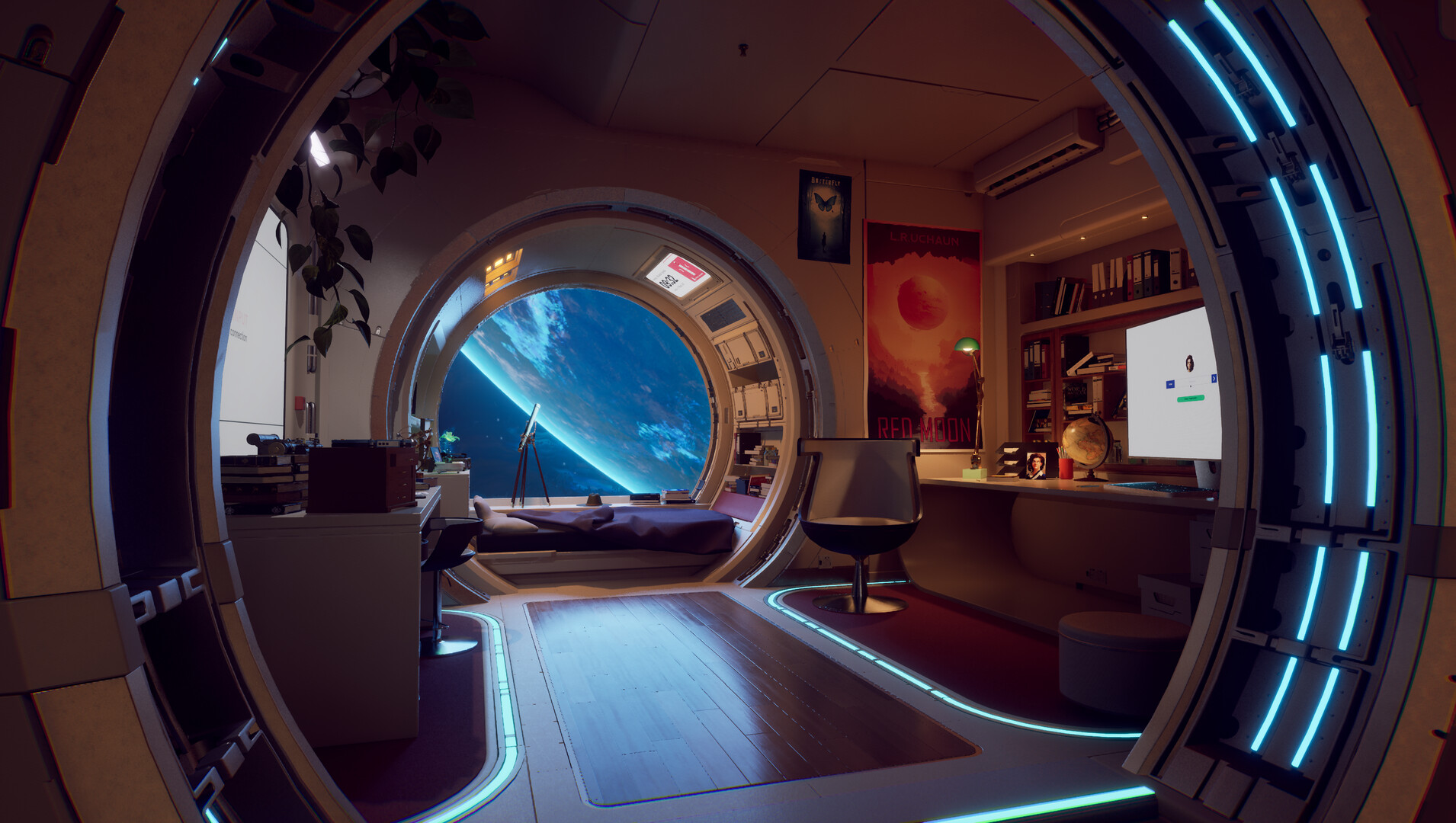
Knowledge is progress. Repetition is not.
A loop can make an ordinary room interesting twice. The first visit is about finding the rule. A later visit is about using that knowledge under different circumstances. The structure weakens when the later visit only asks the player to repeat the same lock sequence or repair in the same order.
Rivage needs the station to feel trapped without trapping the player in work that has stopped producing a new thought.
K9 lets selected answers become persistent progress. Miranda still has to search the station, examine crew records, experiment with objects, and solve new problems. The system can carry a finished piece of reasoning into the next attempt instead of asking the player to perform it again from scratch.
The word certain matters. This is not a promise that every obstacle disappears after one solution. It is a way for the designers to choose where repetition supports the loop and where it only slows the investigation.
When an earlier solution stays recorded, the next loop can begin with its consequence. A newly available route or changed station state can ask what the old answer now makes possible. The puzzle becomes a premise for the next question instead of a toll at the door.
K9 may also give progress a form that fits the fiction. Miranda is not gaining an arbitrary level for solving a machine. She is building a record of a place that refuses to remain stable.
Who decides what deserves to persist?
Selective memory creates its own problem. If K9 preserves only the answers the game considers important, a player may wonder why a hard-won observation does not count. Preserve too much and the loop can shrink into a linear sequence wearing reset fiction as decoration.
The current description leaves several important details open: which solutions persist, whether retention is automatic or chosen, how often the station resets, and whether K9 helps the player think or simply points out the answer.
Rivage is likely to suit players who enjoy time-loop mysteries but dislike re-entering answers after the reasoning is finished. Players who want mastery to include a faster, cleaner run through every early obstacle may find K9 removes part of the ritual they value.
Sources
Find Rivage on Steam
See current screenshots, system requirements, and release details.