Harold Halibut’s handmade sets became a texture-streaming problem
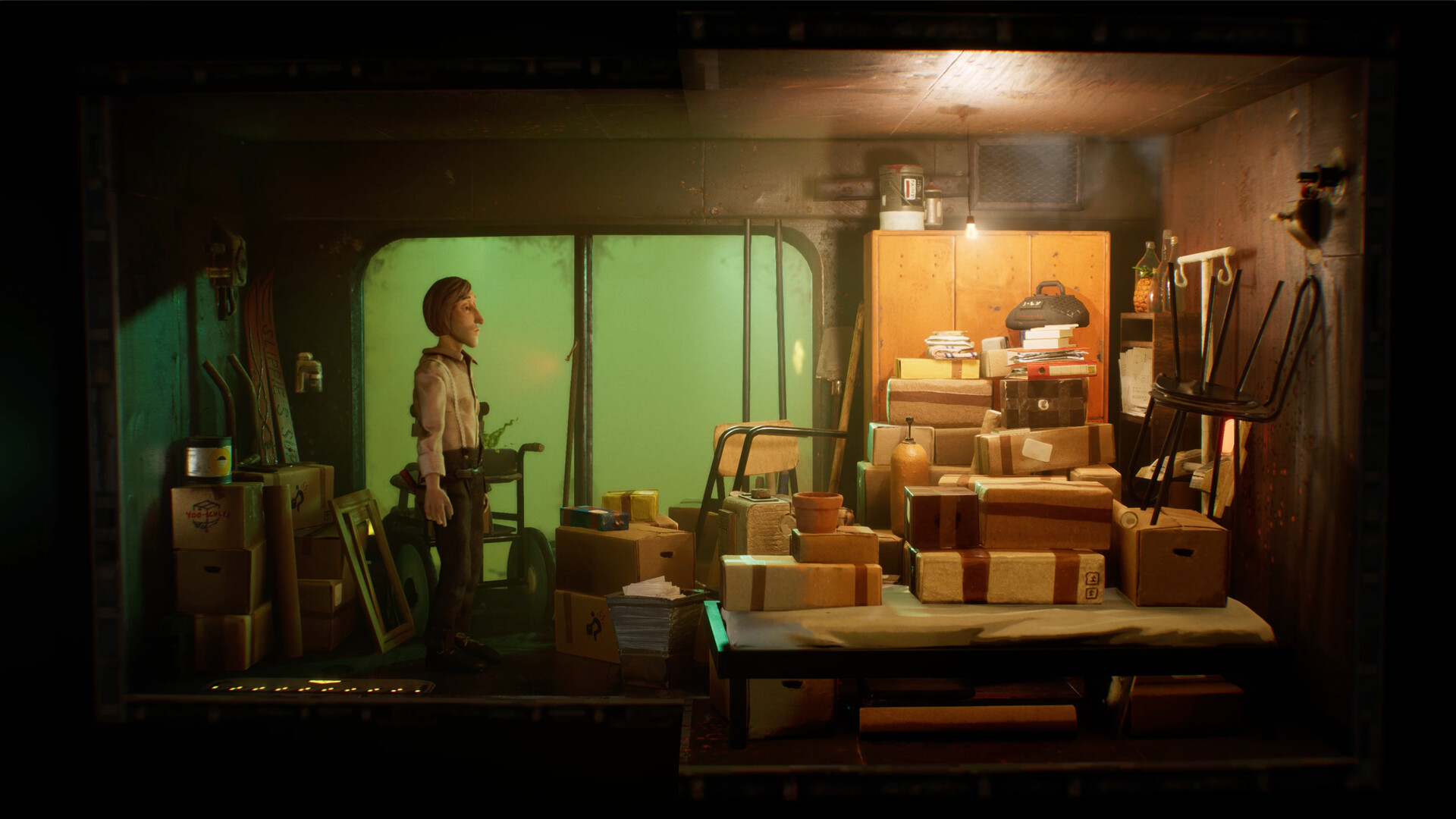
Scanning a handmade prop solves one problem: the digital object keeps the dents, brush marks, and uneven edges of the original. It also creates another. Those details belong to that object alone, so the texture cannot be repeated across a room like a generic wall or floor material.
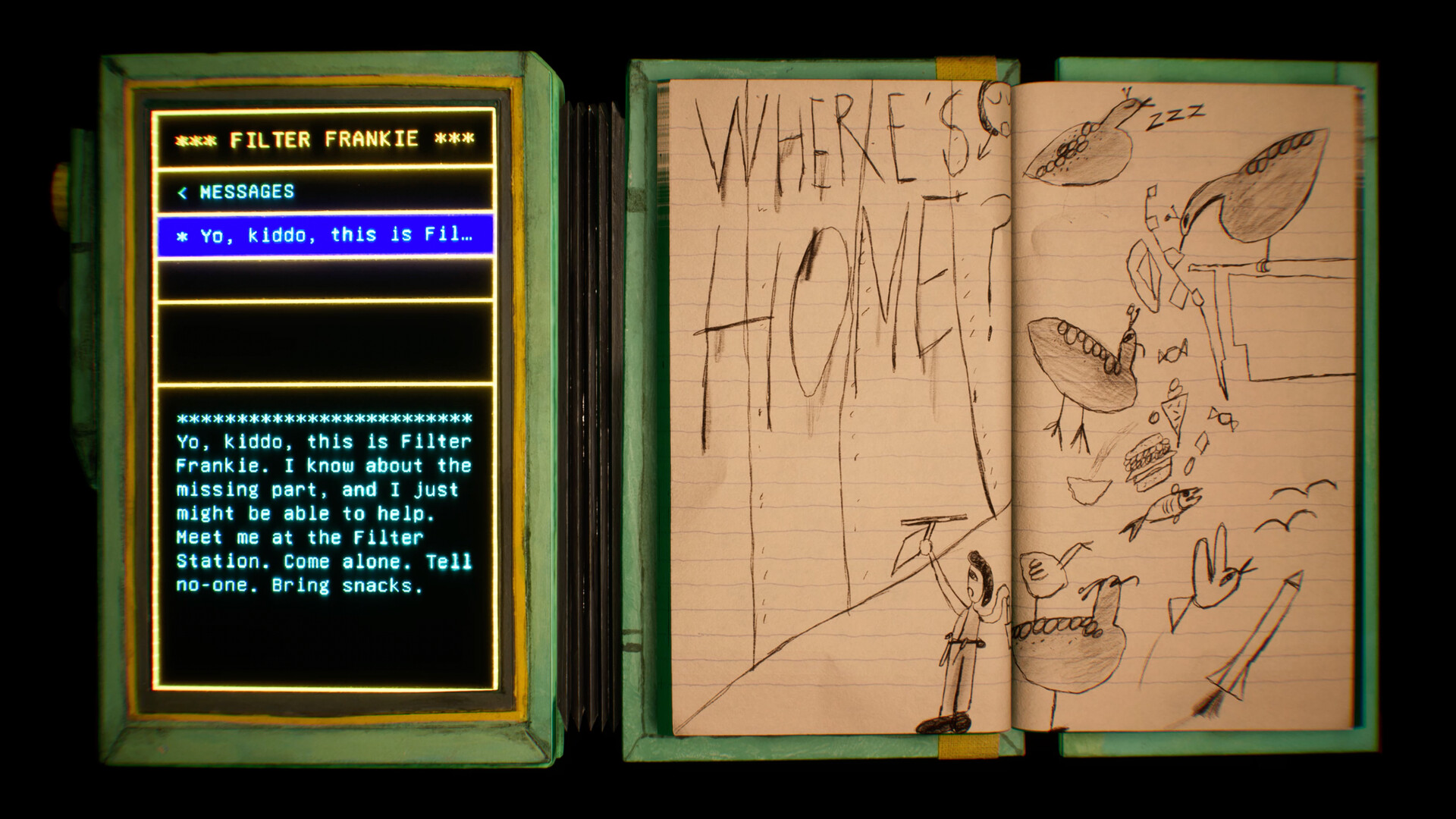
The scan is only the beginning
Slow Bros. built and scanned nearly 1,000 objects for Harold Halibut. Unity’s production case study describes more than 600 square metres of physical material and over 30 GB of high-resolution, non-tiling textures. The size comes from preserving differences rather than hiding them.
Each scan still needs a useful name, a clean material, sensible resolution, and a place in the scene. Handmade art does not remove digital asset work. It moves more of that work into cleanup and organisation.
A handmade surface does not tile
A repeating texture saves memory because one image can cover many surfaces. The visible joins and repeated marks would work against Harold Halibut’s physical look, so the team kept unique texture information and used Streaming Virtual Texturing to load what the camera needed.
The tradeoff is direct: more surface variation creates more texture data to catalogue and stream. The art direction and the runtime budget become the same conversation.
The asset list has to start before the sculpting ends
For a small team using scanned or photographed materials, the useful production document is not just a prop list. It should also record which pieces can share a material, which need a unique scan, how close the camera gets, and who owns the cleanup. That decision can prevent an expressive physical set from becoming an unsearchable folder of oversized textures.
Budget the texture from the approved camera
Capture one representative object, place it in the real scene, and inspect it at the closest approved shot. If a scratch disappears at that distance, preserving it at the highest scan resolution does not help the final image. If a fingerprint or paint edge remains visible, record that feature as part of the asset’s identity before reducing the texture.
Repeat the check at the normal gameplay view and at the farthest background use. The result gives the team three practical states: hero detail that must survive, mid-distance variation that can be simplified, and background information that can be removed. This is more useful than assigning one resolution to every scanned object.
Keep a scan-to-scene ledger
For each physical piece, link the original object ID, scan files, cleaned mesh, texture set, material, approved resolution, and scene instances. Add a note for the camera distance that justified the final texture choice. When memory pressure appears, the team can then find the large unique surfaces that matter least on screen instead of flattening every handmade asset equally.