Papetura prototyped the puzzle before building the paper set
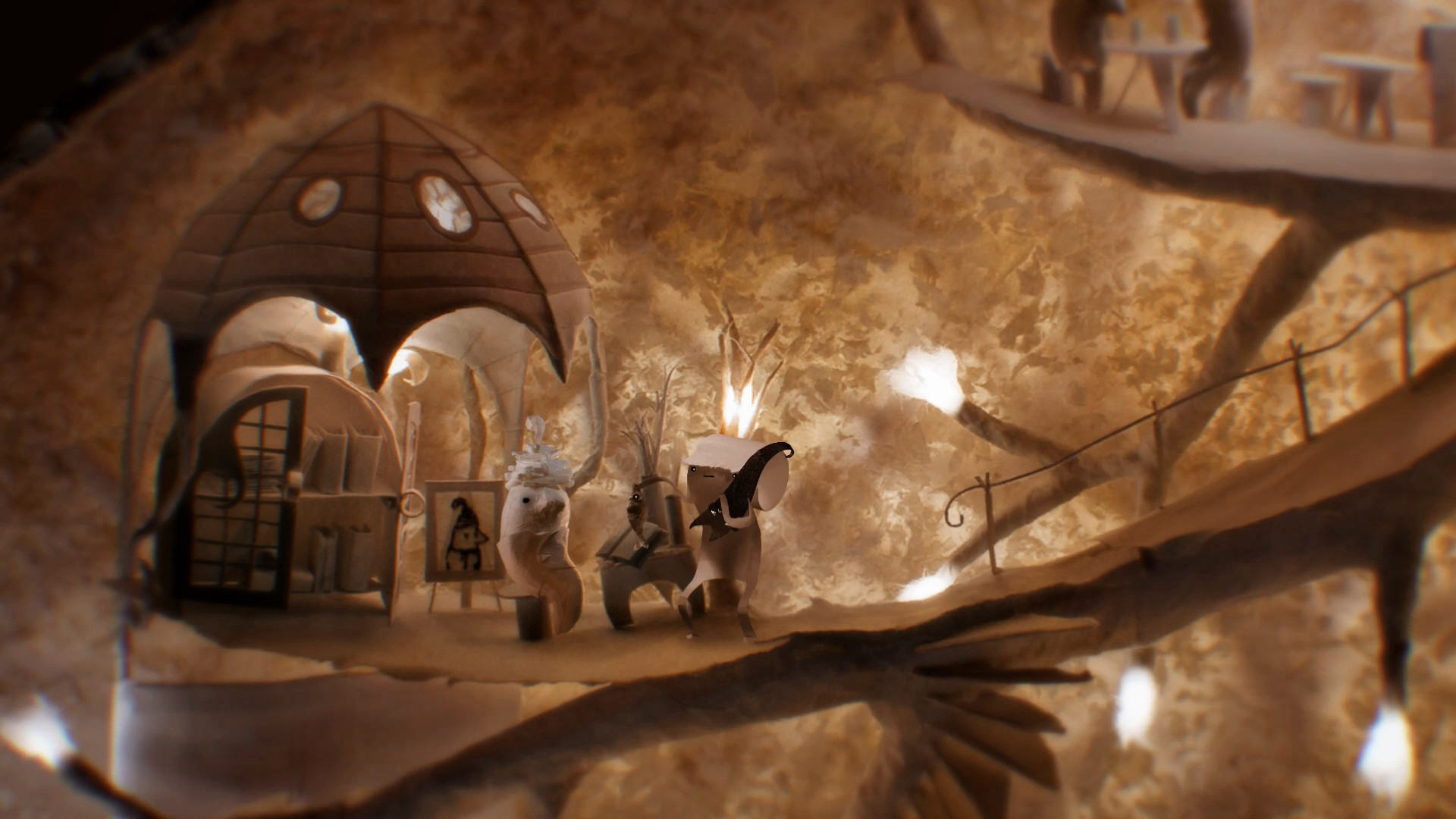
A paper set can give a game its silhouettes, surface texture, and shadows in one coherent visual language. It is also slow to change. Papetura developer Tomasz Ostafin tested the scenes and interaction with placeholder art before building the final physical models.
Prototype first, cut paper later
The process began with sketches and an in-engine prototype. That separated a reversible puzzle decision from a costly art decision. A doorway can move in a placeholder scene in seconds; moving it after the paper wall has been cut, glued, lit, and photographed may mean rebuilding several connected pieces.
One model can be photographed more than once
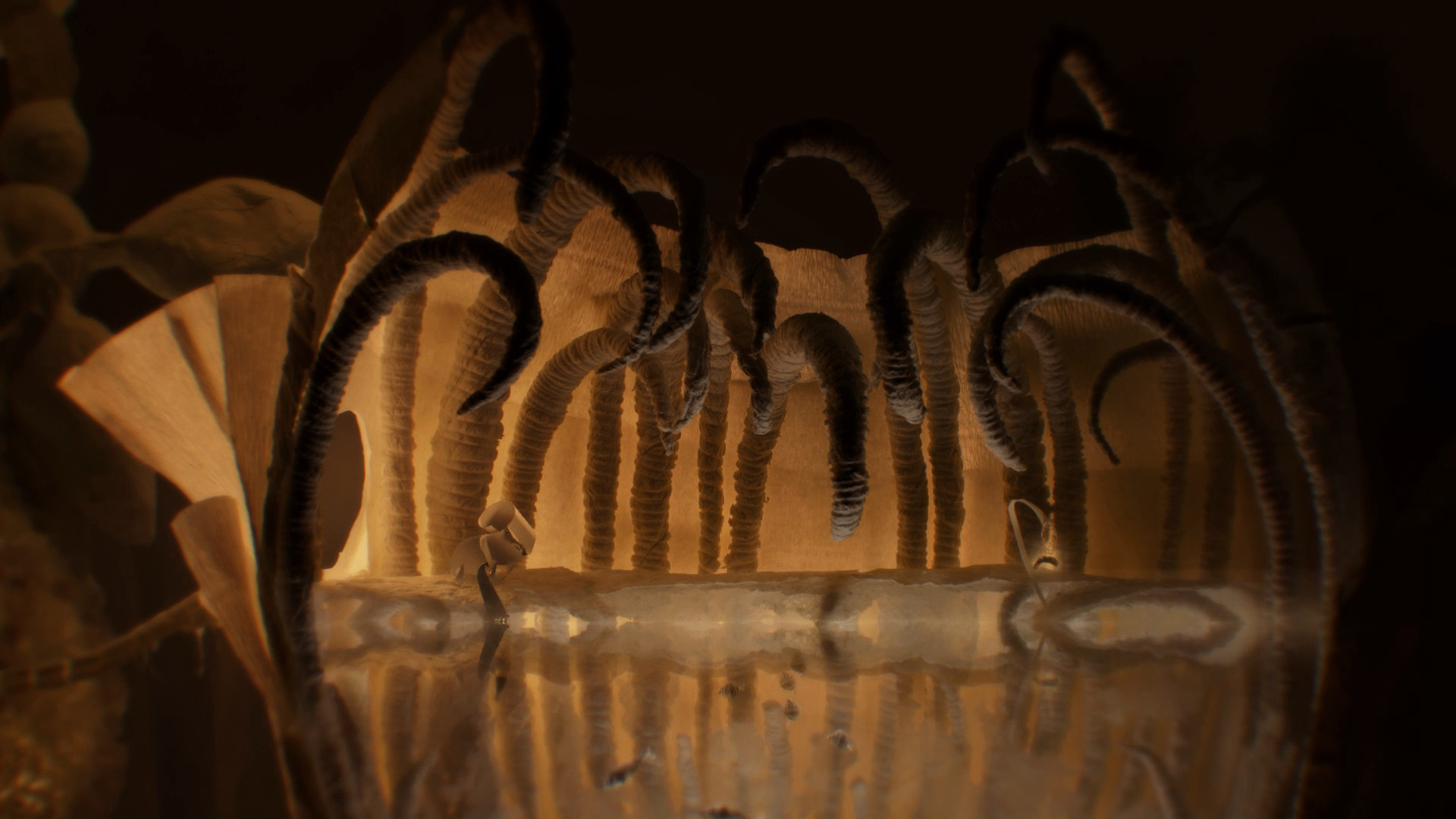
Paper and glue formed most of the world, with wire or polystyrene used where the structure needed them. A model could then be photographed under different lighting setups. The required photographed pieces and character poses were cut out for use in the game.
Interaction becomes expensive after the paper is built
Ostafin describes physical changes as slow. That is why the placeholder version matters: it lets the puzzle find a workable shape while doors, platforms, and character actions are still cheap to move. Once the paper version starts, a design change can mean cutting, gluing, lighting, and photographing the scene again.
Lock the expensive questions in a grey-box pass
Before cutting paper, run the placeholder scene through the actions that could force a rebuild. Can the player identify the interactive object? Does the cursor or character reach it without crossing an unreadable edge? Does opening a door reveal an area the physical set does not contain? Can every required character pose fit inside the planned frame? A failed answer belongs in the prototype, where moving a wall or changing a route is still cheap.
Make a capture list from the interaction
Once the puzzle works, list every visible state the paper set must provide: closed and open parts, alternate lighting, foreground masks, background layers, and character poses. Tie each photograph to the scene state that uses it. This prevents a beautiful finished model from reaching the engine without the one angle or moving piece the interaction needs.
After capture, test the cut-out pieces at their final scale before rebuilding anything. A paper edge that looks rough in a large photograph may disappear in play, while a small gap between layers may become a distracting bright seam. Correct the failure the player can see, not every imperfection in the physical original.