The Midnight Walk built its digital world from clay originals
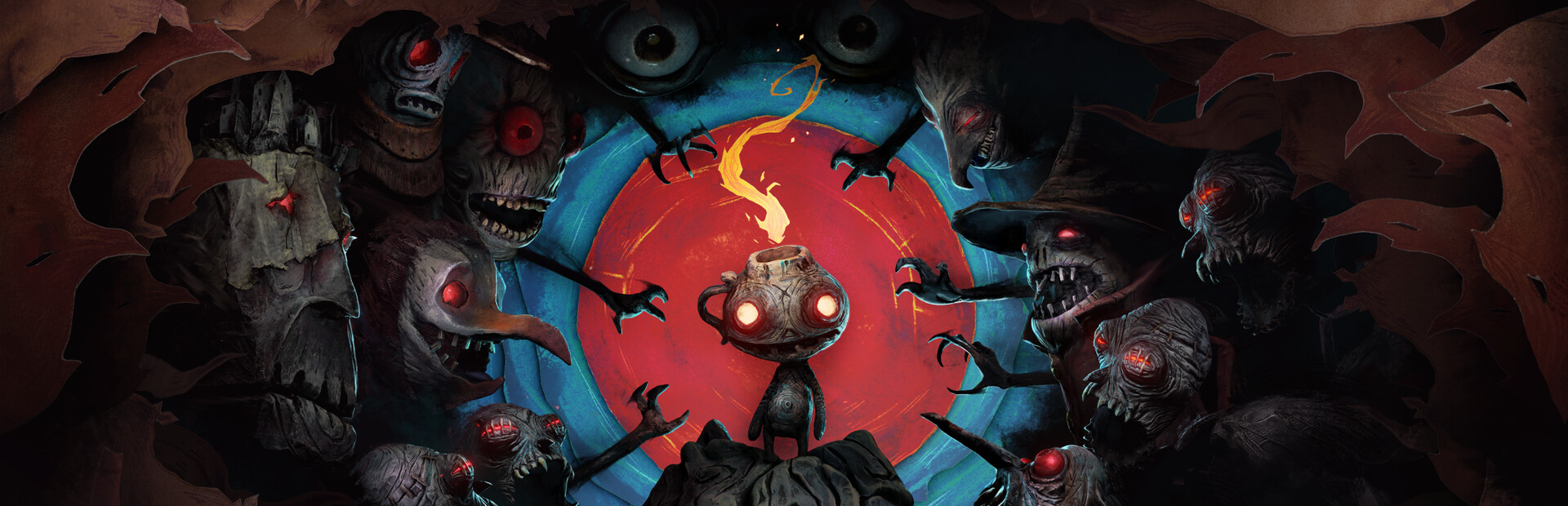
MoonHood says every asset in The Midnight Walk was first sculpted in clay, scanned into 3D, and animated in a stop-motion style. Sculpture, capture, and movement were not separate visual experiments. They were one pipeline built to preserve the marks of the physical material.
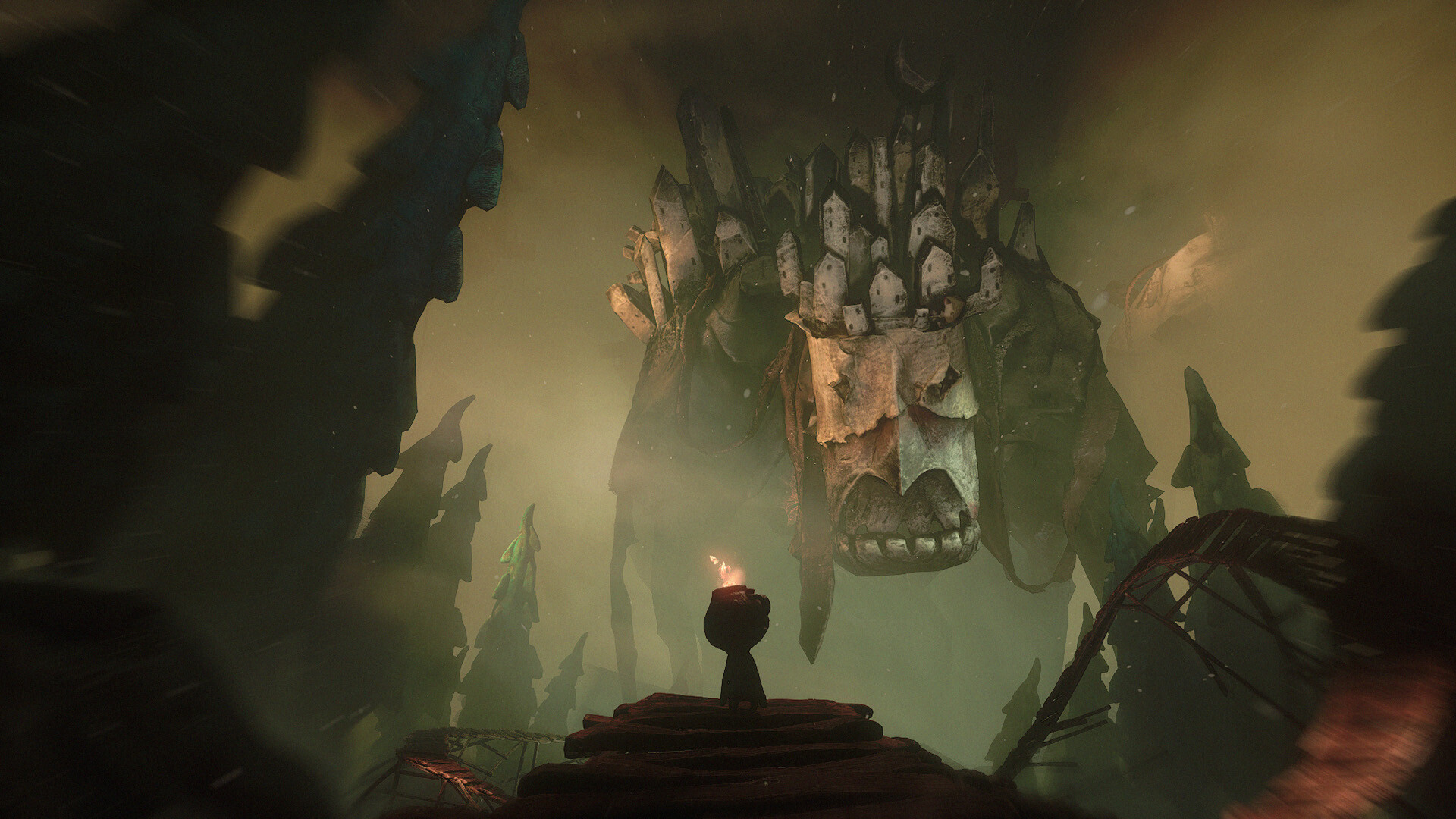
The physical object is the source asset
A scratch or fingerprint is already present before the model reaches the engine. That gives the surface a history a clean digital sculpt would have to imitate later. It also means a change can travel backward: if the silhouette is wrong, the team may need to alter or rebuild the clay original before scanning again.
The official production story begins with a small clay creature that became Potboy. MoonHood brought that character into a playable mock-up before expanding the idea into the full game. The sequence matters. A distinctive material can inspire a project, but it still has to survive interaction and camera movement.
Scanning preserves detail, not organisation
A scan can capture dents and uneven edges, but the result still has to become a usable game asset. Files need stable names, scale, pivots, materials, collision, and ownership. The more physical originals a project creates, the more important that record becomes.
A practical inventory should connect the clay object, its scan, the cleaned model, material files, approved screenshots, and the scene that uses it. Without those links, the charm of a handmade process can disappear inside an ordinary folder problem.
Animation has to belong to the same material
MoonHood paired the scanned forms with stop-motion-style movement. Smooth animation would still show the clay texture, but it could make the object feel disconnected from how it appears to have been made. Timing becomes part of the material language.
That does not mean every motion should use the same step rate. It means the animation brief should say where held poses, uneven spacing, or sharper changes support the physical character, and where readability or control needs a smoother result.
Plan the expensive loop before multiplying assets
For a small team, the useful test is one complete representative asset: sculpt it, scan it, clean it, light it, animate it, and run it in the intended camera. That test reveals which physical details survive, which cleanup steps repeat, and what the runtime budget can carry before the asset list grows.