Split attention needs a bridge
Two simultaneous rule systems can create a productive conflict. They can also ask the player to watch two unrelated games at once. Chivalware, Screenbound, and Future Knight each connect their paired systems with a rule that tells attention how to move.
The bridge matters more than the novelty of the pairing. It lets an event in one system explain why the other system deserves attention now. Without that handoff, divided attention becomes a test of surveillance.
Chivalware makes position the shared language
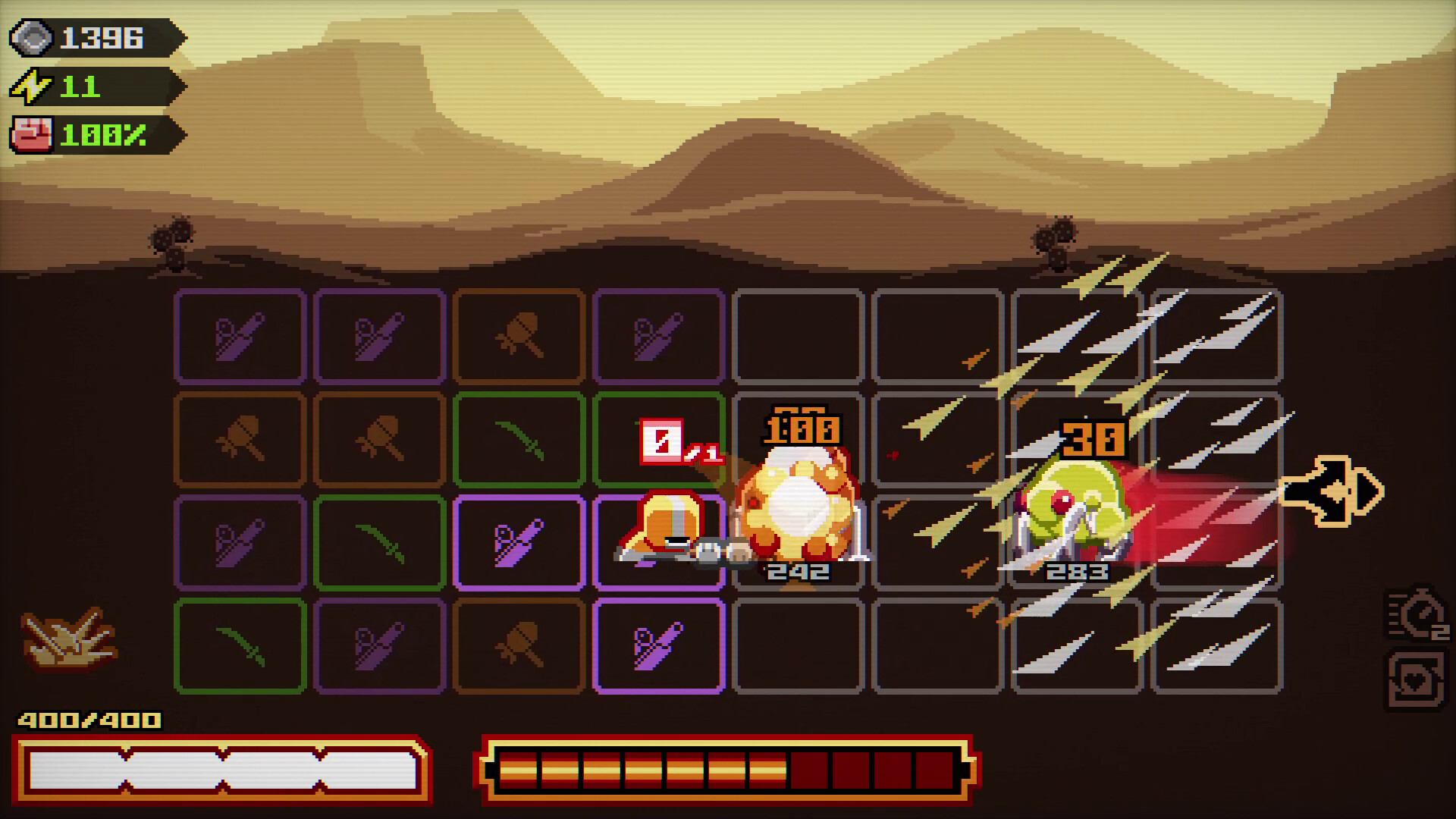
Chivalware combines matching and survival on one grid. The player needs useful patterns, but must also remain close enough to charge a weapon while danger occupies the same space. Position connects the puzzle to the fight.
That overlap can turn every promising match into a risk assessment. It can also make failure hard to diagnose. If the grid does not show whether the player missed a pattern, an attack, or a timing window, the shared language becomes visual noise.
Screenbound lets one input produce two consequences
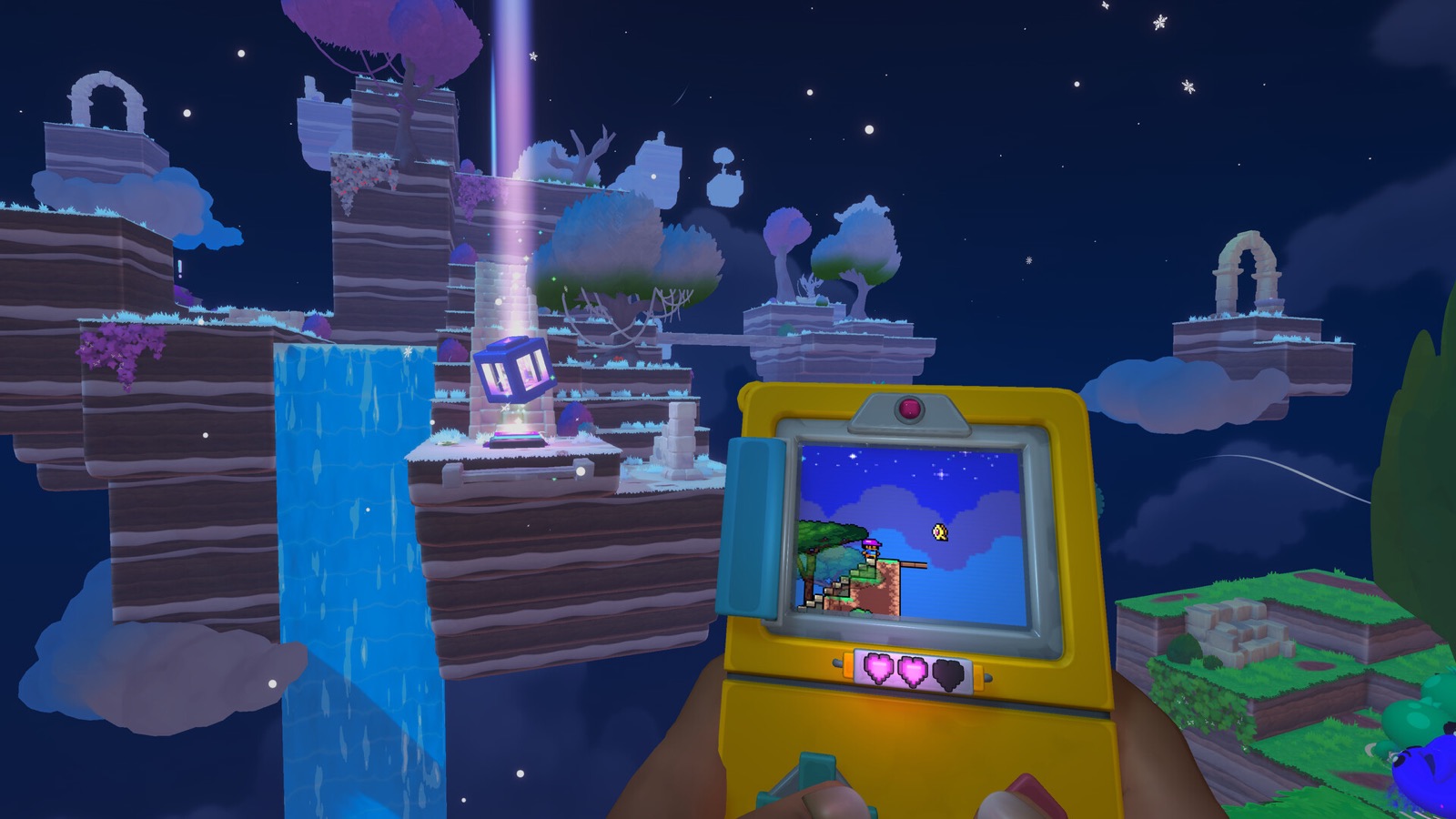
Screenbound links a handheld 2D game to a surrounding first-person 3D world. One input moves through two different sets of spatial rules, and objects or triggers can affect the other representation. The shared input is the bridge.
This gives the player a reason to compare the views instead of treating one as decoration. The risk rises when both demand precision at the same moment. The handheld can hide a cue in the 3D space, while the larger scene can pull attention away from a critical 2D landing.
Future Knight connects forms through reciprocal need
Future Knight gives its robot and the creature Two More different movement, attack, and resource roles. The official rules say that Two More restores the robot's health while the robot recharges Two More's energy. Resource pressure tells the player when the other form has become relevant.
The loop can make switching readable without a separate instruction. It may also turn a preferred form into a waiting room. If one resource drains too predictably, the bridge stops suggesting a choice and starts enforcing a rotation.
A bridge should point to the next useful signal
These pairings work when the shared rule answers a practical question: where should the player look next? Chivalware points back to position. Screenbound points across representations. Future Knight points to the form that can restore what is running out.
A clear bridge does not remove pressure. It makes pressure teachable. When the player fails, the game should reveal which handoff was missed. Otherwise two interesting systems can remain interesting separately while becoming unreadable together.