Automation needs a remembered problem
An automated system is easiest to value when the player remembers the burden it removes. Without that memory, a cart, worker, tool, or practiced routine can read as another upgrade in a list. Romestead, Clicky Islands, ReStory, and IRON NEST all make the player perform a job before offering relief.
That sequence is not automatically good. Manual work can teach the scale of a problem, but it can also delay the part of the game that asks for judgment. The useful distinction is whether the later system changes the player's role or merely reduces the number of inputs.
Romestead makes transport a physical burden
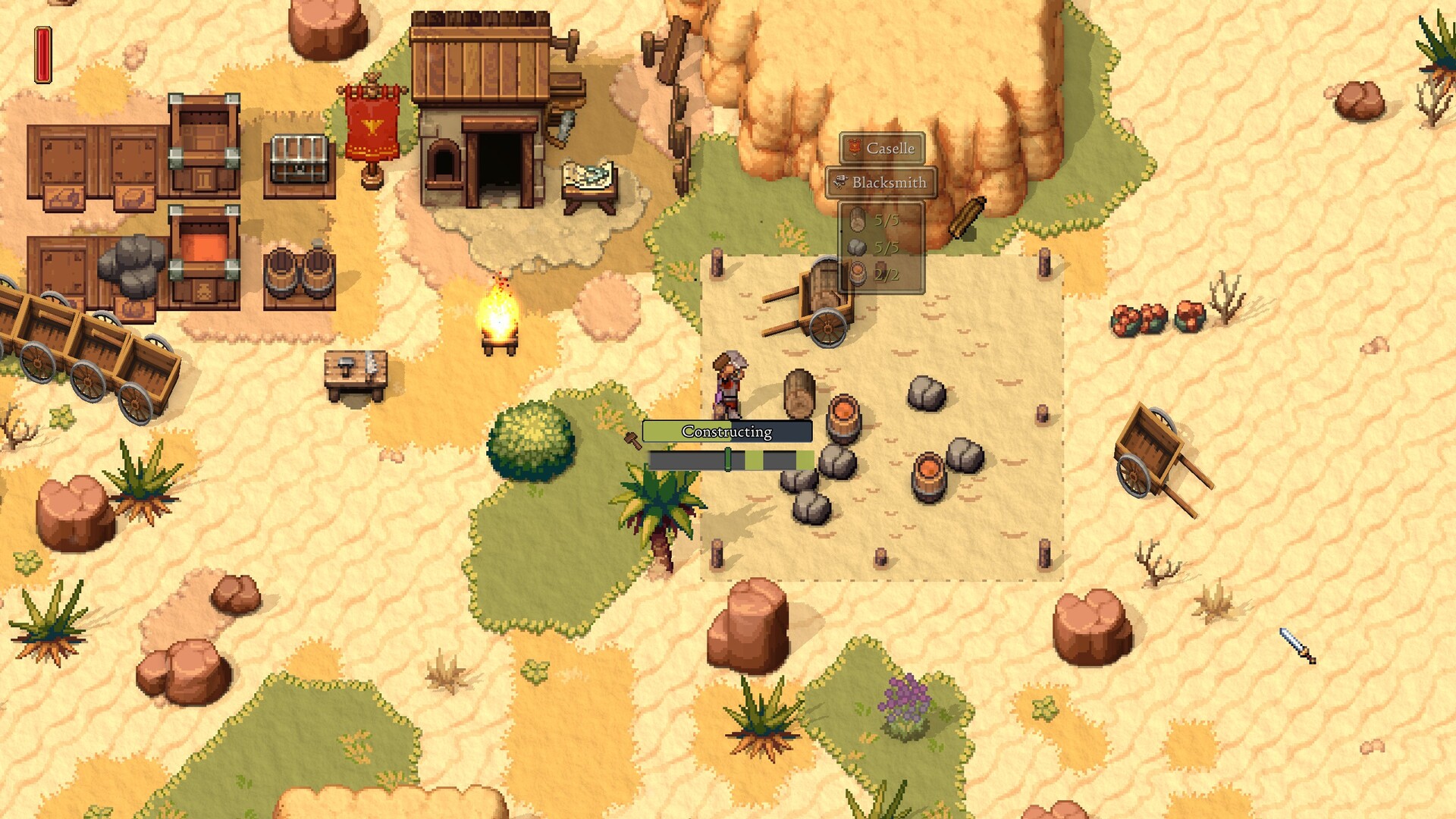
Romestead begins with resources that must be gathered, carried, and placed. Later systems introduce carts, citizens, production buildings, and trade routes. The settlement grows by taking work out of the player's hands.
The early burden gives those systems a concrete job. A cart is valuable because the player has carried the load. A citizen matters because the player knows the route. The risk is duration. If relief arrives after the lesson is already clear, the same burden becomes repetition.
Clicky Islands turns repeated input into a job description
Clicky Islands starts with direct clicks for basic resources, then adds workers, task assignments, buildings, and production chains. The manual phase names the work that will later be delegated.
That can make a growing settlement legible. The player has seen one unit of labor before managing many. It also creates two failure points: the clicking may feel like a toll, and successful automation may remove the decisions that made the work understandable.
ReStory and IRON NEST automate through player knowledge
Relief does not always arrive as a machine. ReStory repeatedly exposes the steps of electronic repair: disassemble, clean, replace, and rebuild. Better tools and shop knowledge can shorten that process, while the player's own recognition should make familiar jobs faster to parse.
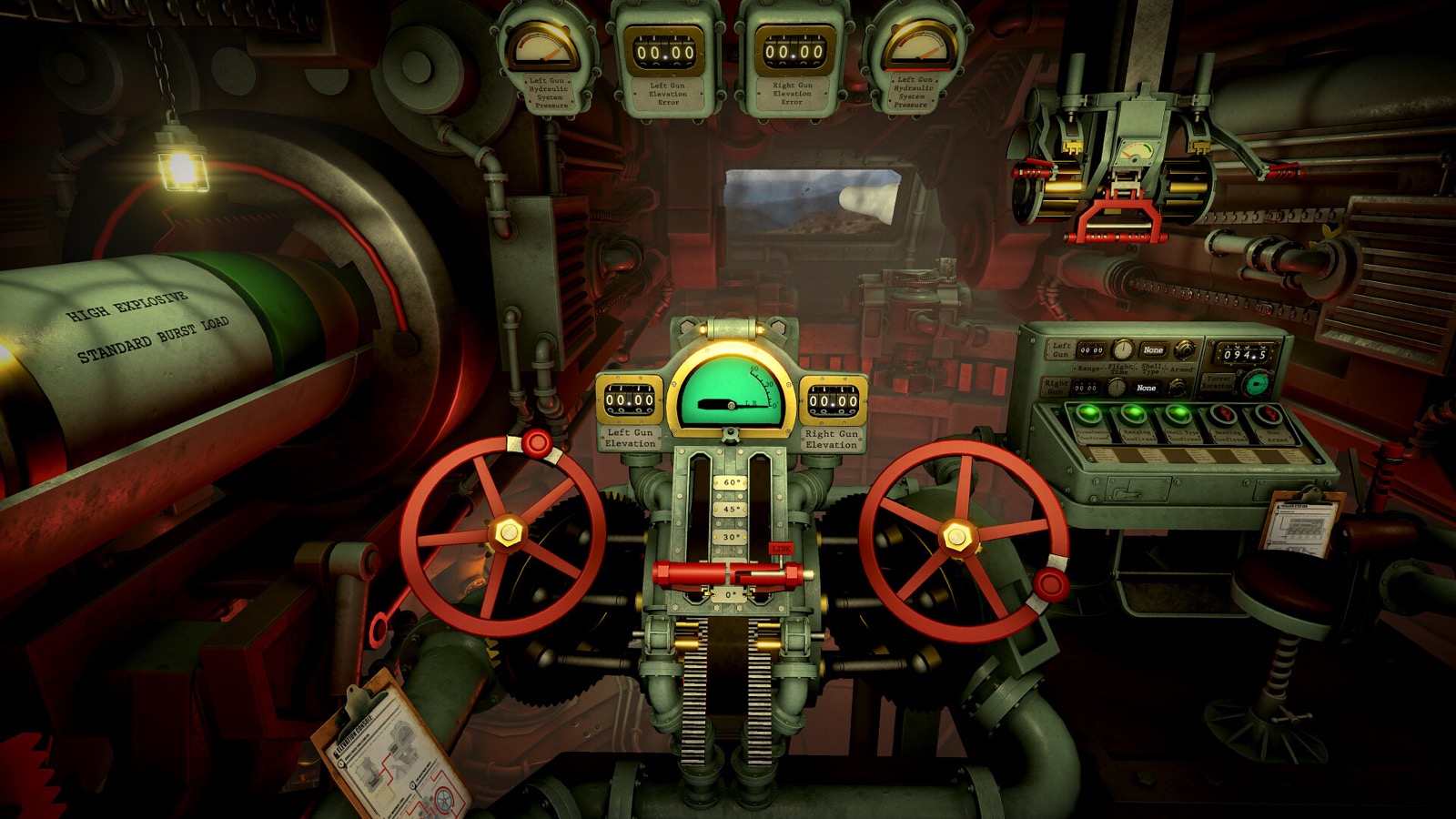
IRON NEST similarly asks the player to measure a map, calculate a shot, choose a charge, and operate the turret. Learning the procedure is a form of automation inside the player. That can support mastery, but a solved ritual may eventually feel clerical if later situations do not demand a different judgment.
The later system should create a new decision
Once the work is reduced, the player's next responsibility should already be clear. Romestead can move attention from carrying one object to organizing a settlement. Clicky Islands can move it from clicking a resource to assigning labor. ReStory and IRON NEST can move it from recalling a procedure to diagnosing an unusual case.
If no new decision appears, automation creates absence rather than progression. The player has fewer inputs, but no larger responsibility. The strongest version of this pattern uses remembered friction as a foundation, then gives the player a different problem to own.