Moonsigil Atlas updates
Moonsigil Atlas Updates
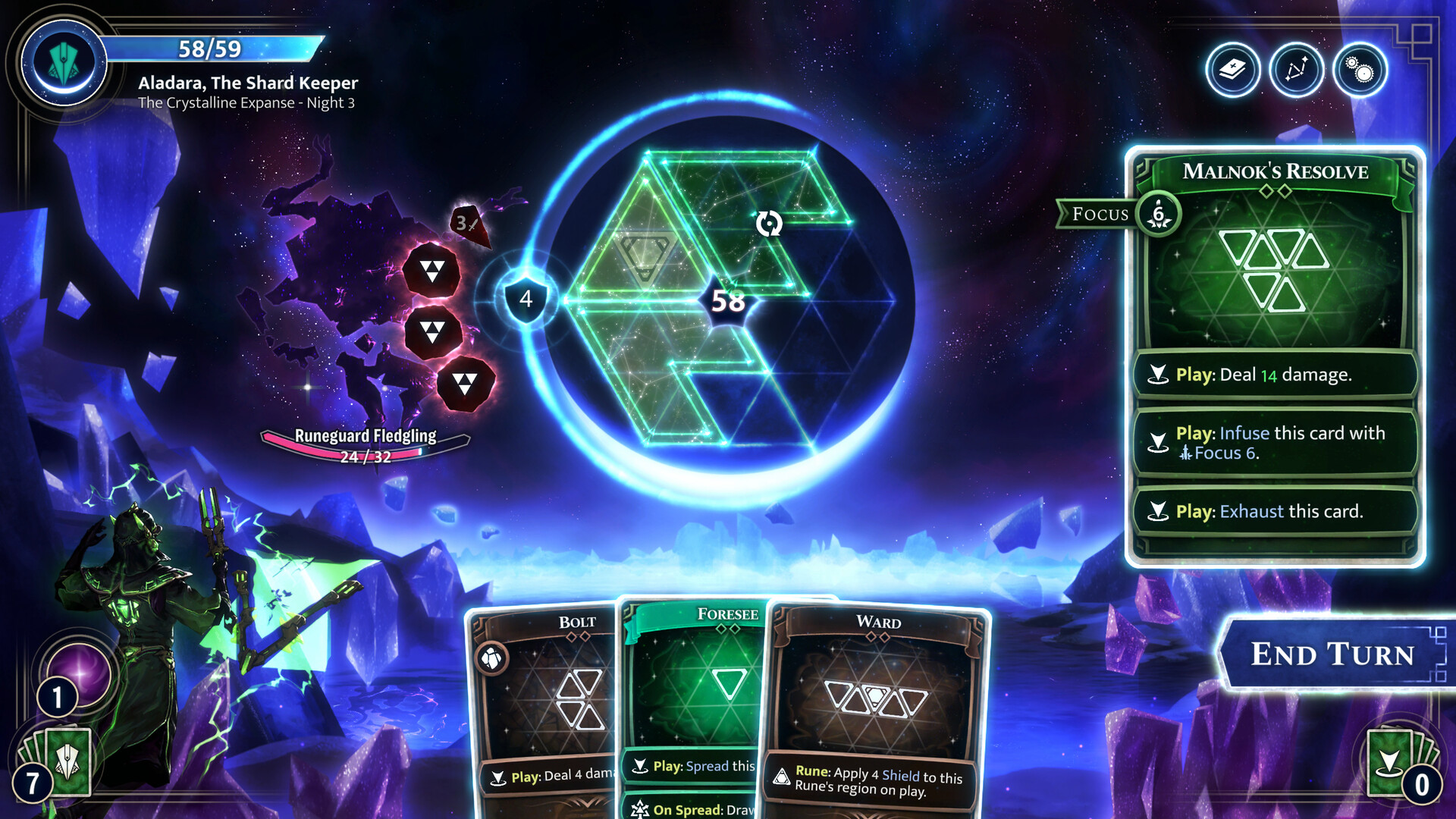
A card change matters when it alters no-energy tempo, board space, shape placement, combo setup, or recovery. Follow the change to the first turn where the old route no longer leaves a playable board.
Where a Change Reaches the Board
Launch and demo
The Baseline for No-Energy Tempo
The launch and demo impact guide connects the available version to no-energy tempo, shape placement, route priority, combo setup, and recovery.
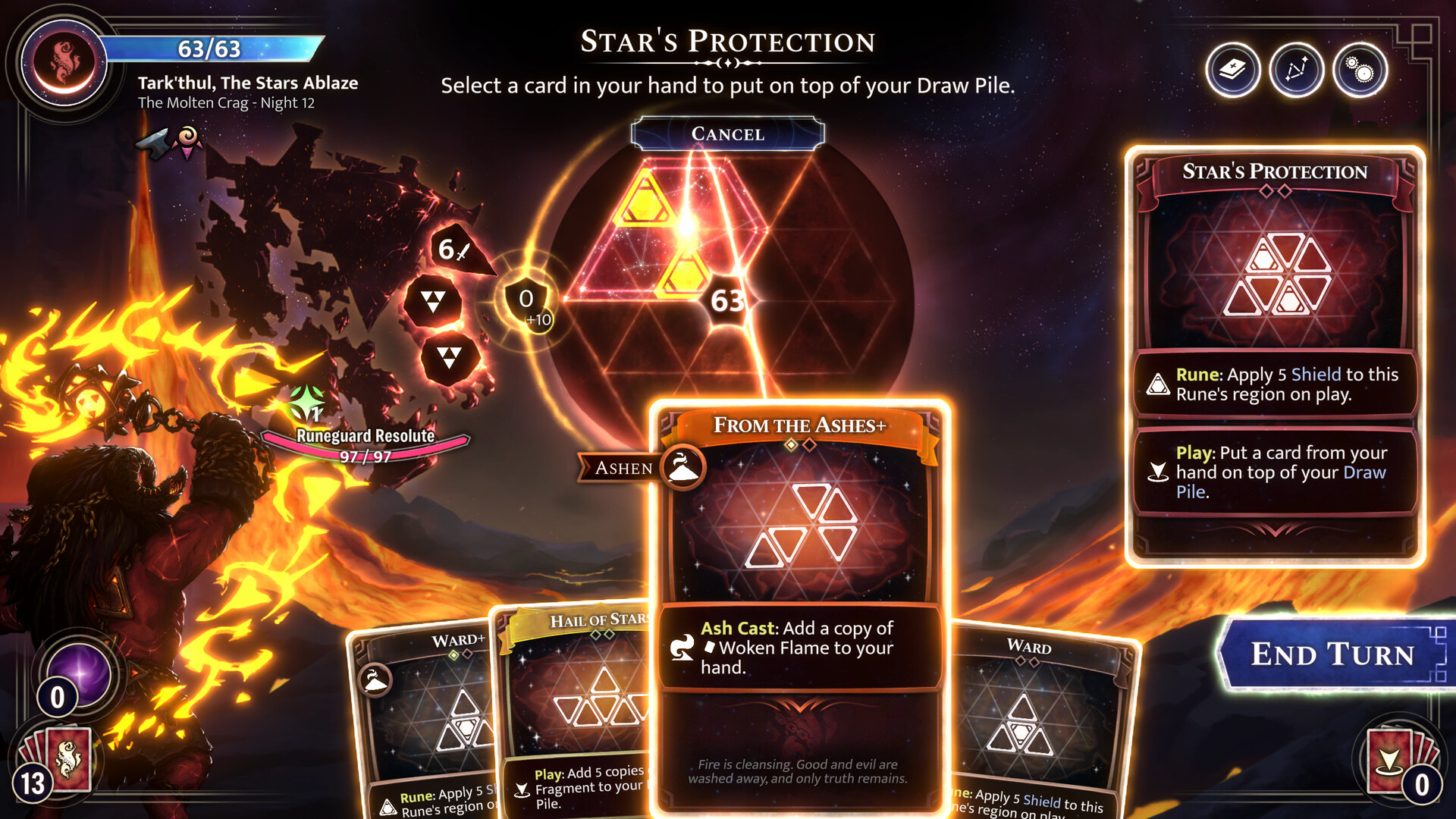
Route impact
Find the First Board Layer That Moved
Start with the layer that changed your run feel. A card balance change matters most when it changes space pressure, payoff timing, or recovery choices.
Route repair
Keep the Working Parts of the Board Still
When an old route feels different, change the layer named in the update before rebuilding every draft habit.
- Name the changed layer: no-energy tempo, card shape, placement pressure, combo setup, payoff timing, or recovery.
- Keep the remaining route logic unchanged until the first new failure is visible.
- Open the guide that matches the changed layer and adjust that decision first.
- Change one route, shape choice, setup line, or recovery habit at a time.
- When numbers move, judge whether they change visible board pressure before rewriting the whole route.
Guides Most Likely To Change
Route Reference
Start here when an update changes the whole no-energy, shape, combo, payoff, and recovery chain.
RoutesRoute Priority Guide
Choose between space repair, payoff setup, cash-out, focus, and recovery.
BeginnerBeginner Guide
Protect no-energy discipline and board space through the opening route.
PlacementCard Shape and Placement Guide
Repair shape windows when old placements begin blocking future cards.
CombosCombo Setup Guide
Adjust support cards, trigger order, payoff windows, and cash-out timing.
Failure checksCommon Mistakes Guide
Trace repeated losses back to the first route habit that changed.