Chef Knight guide
Chef Knight Ingredients and Cooking Flow Guide
Treat Chef Knight ingredients as part of a full loop, not as loot you collect forever. A good loop brings back monster ingredients, turns them into meals, sells those dishes, then spends the money on the layer that was slowest. If ingredients pile up, improve cooking flow. If meals pile up, improve selling or dish value. If both stay empty, your dungeon route is not feeding the kitchen yet.
When the Kitchen Looks Busy but Nothing Moves
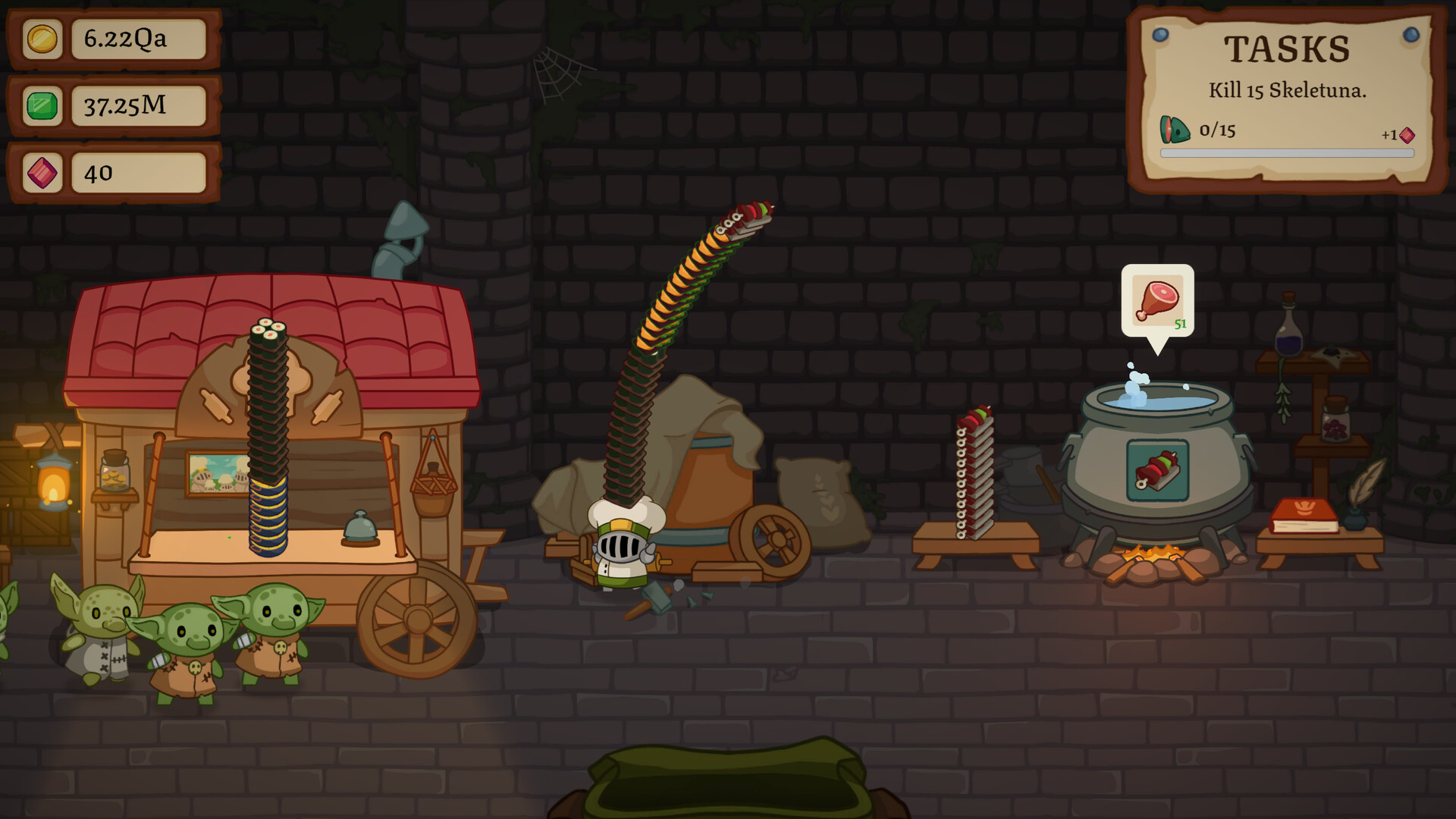
The kitchen is where Chef Knight exposes bad dungeon decisions. A deep push can look successful until the drops do not convert into useful meals fast enough. A huge ingredient stockpile can look rich until you realize it is just dead weight waiting for the kitchen. The goal is not to own more ingredients. The goal is to keep ingredients moving.
Think of the run as a pipe: dungeon drops enter one end, dishes and money leave the other end. If the pipe clogs, do not blindly farm harder. Find the clog first. Most slow early runs are not one big mistake; they are one layer running faster than the next layer can handle.
The tempting mistake is emotional: farming feels active, cooking feels productive, and selling feels like cleanup. That is why players keep doing the wrong layer longer than they should. If the same bottleneck survives two loops, stop trusting the busy screen and fix the one step that is not moving.
Cooking Flow Table
How to Read the Ingredient Loop
- Start at the dungeon. Ask whether the route brings back enough usable monster ingredients without slowing the entire run.
- Check the kitchen next. If ingredients wait too long, the cooking layer is the blocker even if combat feels exciting.
- Check selling before upgrading again. Meals only become progress when they turn into money fast enough to fund the next loop.
- Spend on the layer that clogged. Combat, cooking, selling, and general upgrades are all valid only when they solve the current blockage.
- Watch the next loop after spending. Judge the upgrade by whether the next dungeon-to-money cycle moves more cleanly, not by the tooltip alone.
When to Farm, Cook, Sell, or Upgrade
Common Kitchen Flow Mistakes
Thinking more ingredients always mean more progress
Raw ingredients are only useful if the kitchen and selling side can turn them into the next upgrade. If your stock grows but your money does not, farming harder is probably feeding the wrong problem.
This is the same trap as over-drawing in a deckbuilder or over-expanding in a factory game: the input number gets bigger, but the part that wins the run does not improve. Chef Knight just hides that mistake behind a kitchen counter.
Ignoring meals that wait too long
A dish sitting around is delayed progress. If meals are ready but cash arrives late, the bottleneck is not the dungeon. It is the selling side of the loop.
Upgrading before naming the clog
Chef Knight always has another upgrade waiting. Before spending, name the slow layer in plain language: "the kitchen is behind," "selling is behind," or "the dungeon route is underfeeding us." Then buy for that layer.
FAQ
Should I farm more ingredients if the kitchen feels slow?
Usually no. If ingredients are already waiting, another dungeon trip just makes the pile bigger. Fix cooking flow first, then farm again when the kitchen can actually turn the haul into meals.
What does a healthy Chef Knight cooking loop look like?
A healthy loop has movement at every step: dungeon drops arrive, ingredients become meals, meals sell, and money turns into one clear upgrade. It should feel like a chain, not three separate chores fighting for attention.
Is cooking or combat more important early?
Whichever layer is blocking the next loop. Combat matters if the kitchen is starved. Cooking matters if ingredients are waiting. Selling matters if meals are stuck. The mistake is picking your favorite layer instead of reading the current bottleneck.
What to check when the plan stops working
- Ingredients stockpile: stop pushing deeper and improve cooking conversion first.
- Meals stockpile: improve selling flow or dish value before expanding kitchen output.
- Kitchen sits idle: the dungeon route is too weak or too slow to feed the cooking side.
- Money arrives late: selling is part of progression, not background flavor.
- Upgrades feel random: run one loop, identify the slowest layer, then spend.
When Rates or Rewards Change
Ingredient rates, cooking speed, or selling rewards may change between patches. The useful check stays simple: find where the chain stops moving, then upgrade that layer first.
Related Guides
Use the Chef Knight Beginner Guide for the full first-run loop, the Money and Selling Guide when income is late, the Upgrade Priority Guide before spending, and the Dungeon Route Guide when the kitchen is underfed. Return to the Chef Knight guides.