One More RunEdited by Juda H

Chef Knight updates

Chef Knight Updates
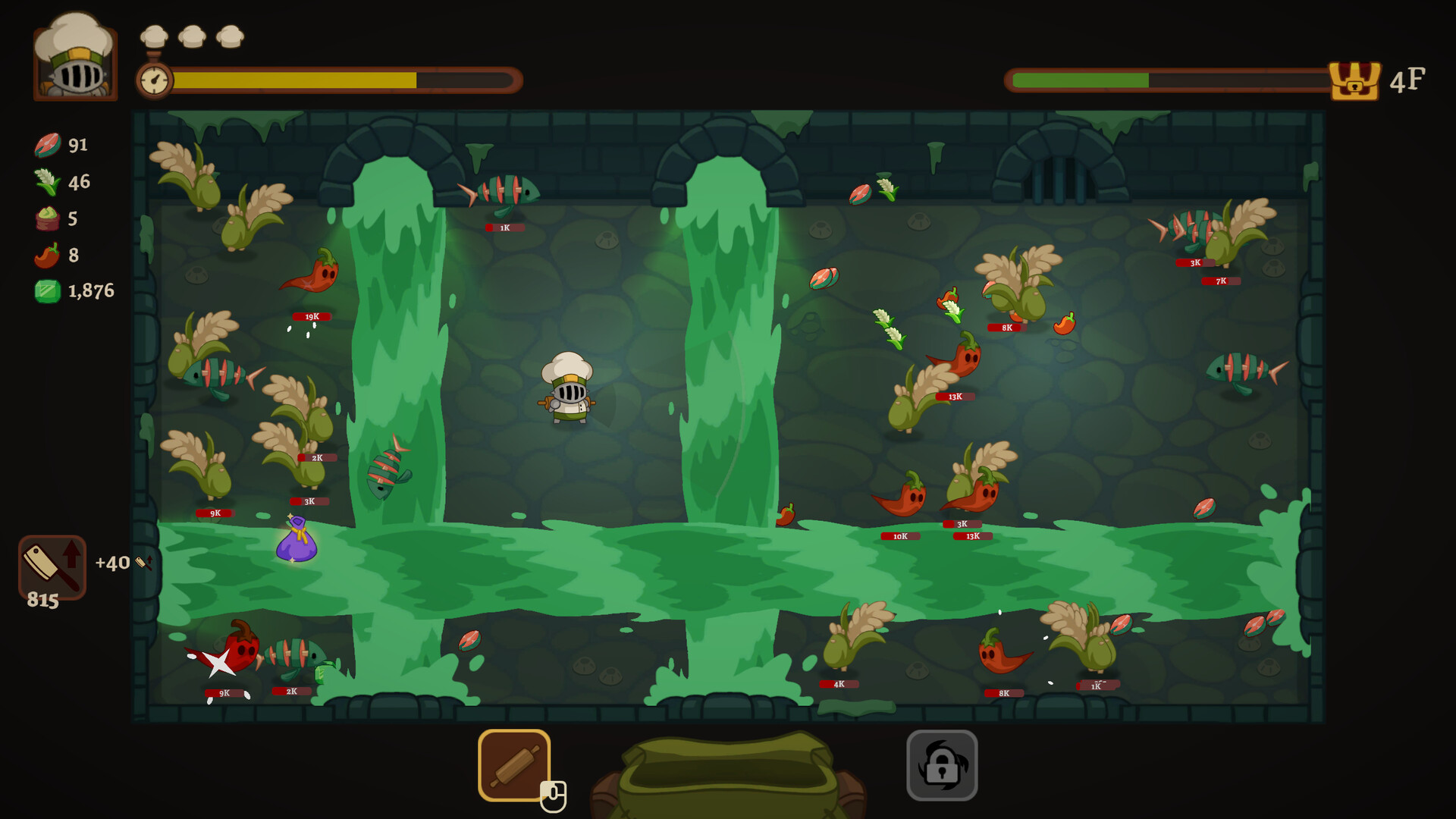
Chef Knight fighting enemies in a dungeon while combat resources and drops remain visible.
The dungeon frame keeps combat pressure and the resources earned from the run visible together. Steam

An update can move the bottleneck without changing the whole loop. Follow the chain from dungeon supply to ingredient conversion, cooking, customer flow, selling, and the next spend; the first layer that no longer keeps pace is where the route needs to move.

Quick answer: after a Chef Knight update, identify the broken layer first: dungeon supply, ingredient conversion, cooking output, customer speed, money timing, or upgrade value. Fix the first broken layer before changing the whole route, because a shop problem can look like a dungeon problem when meals are stuck at the counter.

Where an Update Reaches the Loop

Route questionOne-loop signalIf it failsGuide
Does the same dungeon route still feed the kitchen?Run one familiar depth and count whether useful ingredients reach cooking before the next spend.Shorten the route or change the ingredient target before buying counter upgrades.Dungeon Route
Does counter speed still keep up?Watch whether cooked dishes become money or wait at the counter.Fix customer flow before adding more cooking output.Customer Flow
Does the first upgrade still solve the slowest layer?Name the slowest layer after one loop, then compare it to the upgrade you planned to buy.Delay the shiny upgrade if it does not move the bottleneck.Upgrade Priority

Common Mistake: Fixing the Last Visible Delay

A full counter can look like a selling problem even when the dungeon brought back the wrong ingredients. A slow upgrade can look like a money problem when meals are still waiting in the kitchen.
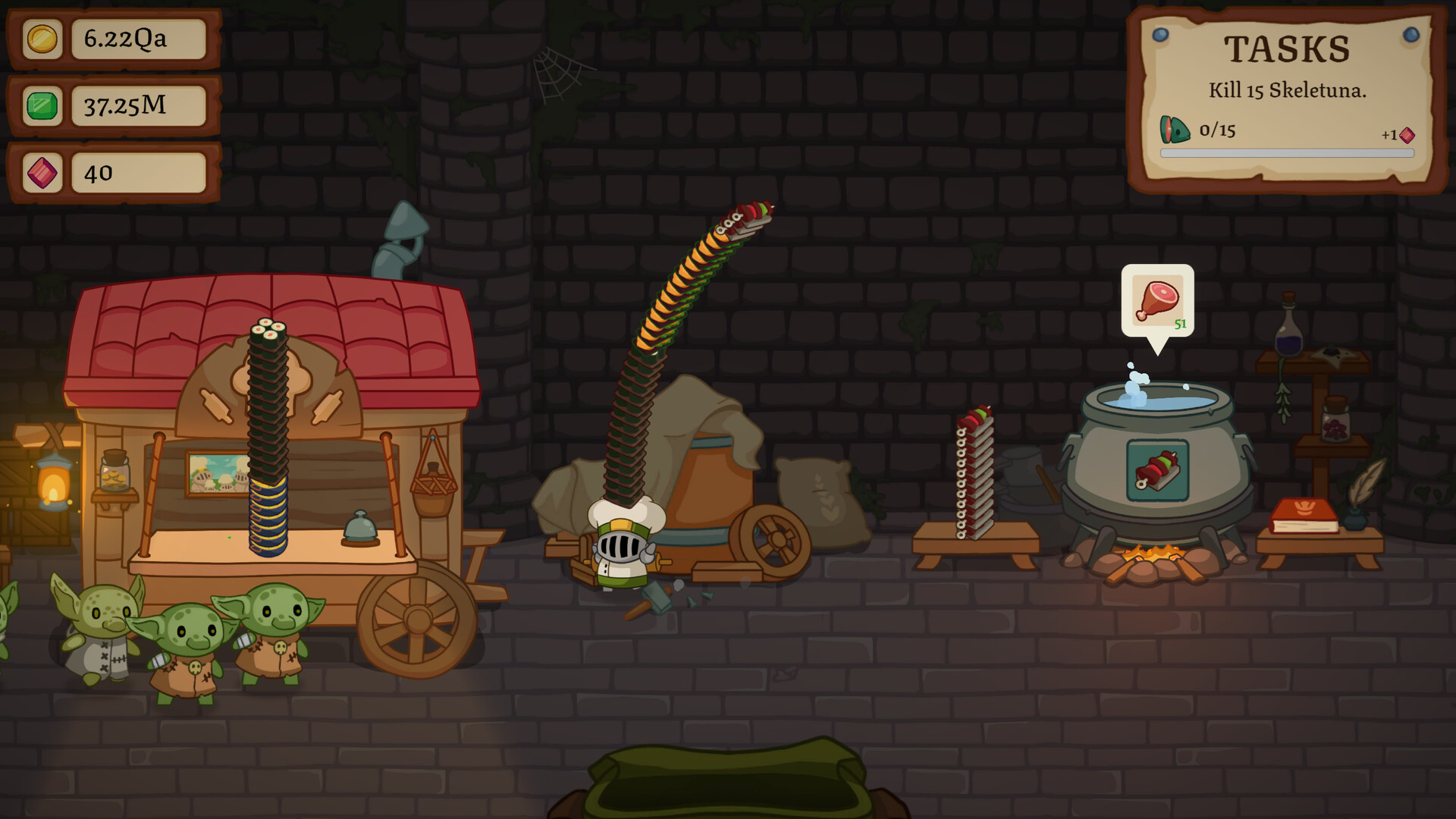
Chef Knight working at a kitchen counter with ingredients, orders, and task timers on screen.
The kitchen counter shows where ingredients, orders, and waiting time meet. Steam
Visible problemAvoidTrace firstChange only if...
Useful meals are missing.Pushing a deeper dungeon route for more random drops.The ingredient needed by the next useful recipe.The familiar route no longer supplies that ingredient reliably.
Cooked dishes wait at the counter.Buying more cooking output.Customer movement and the point where a dish becomes money.The counter remains the first slow layer after one familiar loop.
The next upgrade feels late.Treating every income delay as a combat problem.Whether drops became ingredients, meals, sales, and then money without a queue.The full chain works and the route still cannot fund the planned spend.

Launch week

Latest Chef Knight impact guide

Start with the launch-week guide if you want to know which existing Chef Knight page to open first after release.

Route impact

Find the Layer That Moved

After an update, start with the layer that feels different instead of rebuilding the whole route.

If the update changes...Read this firstWhy it mattersGuide to open
Dungeon drops or route safetyWhether the same route still feeds useful ingredients.A stronger or weaker dungeon route changes the whole kitchen loop.Dungeon Route
Ingredient or recipe behaviorWhether raw drops still become meals cleanly.Cooking output can stall even when dungeon farming looks fine.Ingredients and Cooking
Customer speed or shop flowWhether cooked dishes still turn into money fast enough.A counter bottleneck can hide behind a good kitchen route.Customer Flow
Money values or sale timingWhether the same loop still funds the next upgrade.Income pacing changes upgrade priority before combat does.Money and Selling
Upgrade costs or unlock orderWhether the old first spend still fixes the slowest layer.A cost shift can move the bottleneck from dungeon to kitchen or counter.Upgrade Priorities

Patch triage

Trace the Change Through One Loop

When an update makes the loop feel different, keep every working handoff still and change the first layer that no longer keeps pace.

  1. Name the layer touched by the update: dungeon, ingredient, cooking, customer, money, or upgrade.
  2. Run one familiar loop and watch where supply stops becoming money.
  3. Change the dungeon route, counter habit, money choice, or upgrade spend responsible for that break.
  4. Keep the remaining handoffs intact so the next loop stays readable.
  5. Use prices, rewards, and timers only when they clearly change the route pace players feel.

Where Each Change Lands