Hold The Mine guide
Hold The Mine Wave Survival Guide
Survive Hold The Mine waves by ending each day with a clear night plan. Stop mining when the next wave has no answer, convert resources before the monsters arrive, use buildings and heroes to cover one visible weakness, and after every failed night classify the loss as damage, control, economy, timing, or scaling before changing the next run.
When Two Greedy Days Catch Up at Night
The scary wave is usually not the first wave that looks messy. It is the wave after two greedy days, when you finally notice that the mine got richer but the surface did not get safer. That is the moment to stop treating night as an interruption. Night is the exam. Day is only the study time.
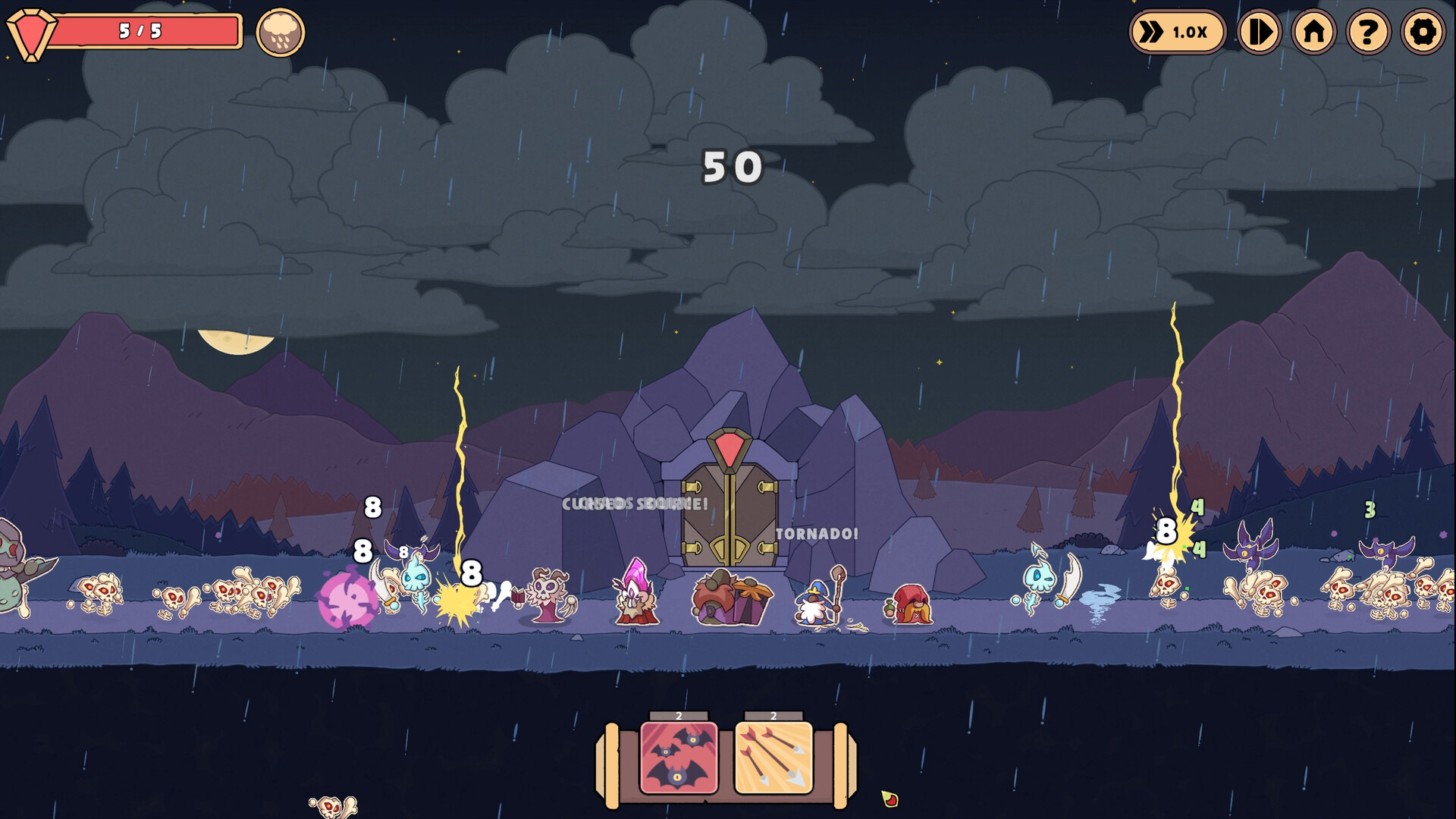
If a wave keeps beating you, do not rebuild the entire run in frustration. Change the layer that actually failed. Sometimes that means more immediate damage; sometimes it means control, earlier spending, or a hero choice that covers the weak point. Fix one failure, run the next night, then read what changed.
Wave Survival Priority Table
Read the Failed Night
Hold The Mine's official loop is simple to describe: mine by day, build and manage resources, unleash heroes, then hold monsters back until sunrise. The hard part is reading what the night tells you. If the same kind of wave keeps breaking through, the answer is rarely just "get stronger." You need to know what kind of strength is missing.
Read each night by its first failed moment. Did enemies reach the surface too quickly? Did your plan start strong and then run out of scaling? Did you have resources but fail to spend them? Did a hero power not support the board? Each answer points to a different next-day plan.
Failure Type Table
First Contact, Cleanup, and Scaling Labels
Many Hold The Mine losses look the same at the end: the surface falls and the run ends. The useful question is when the wave became unsafe. Use these three labels to decide whether the next spend should fix the opening hit, the middle of the wave, or the long-term board plan.
When to Stop Mining
Stop mining when the next wave has no plan. New players often treat the day phase as a chance to dig until the last possible moment, but the mine only matters if the surface can turn what you found into survival. If your next purchase, building, hero setup, or relic use is unclear, more depth can make the run harder to read.
- Stop early if the next wave answer is missing. Spend the remaining time creating one answer.
- Keep mining if the next resource has a named purpose. Depth is good when it directly feeds the next survival layer.
- Do not chase a perfect day. A stable night is better than an ambitious day that leaves resources unspent.
- After a safe night, push deeper with a reason. Use the previous wave result to decide what the next mine target should buy.
Stop-Mining Decision Gate
Use this gate before taking one more mine step. The question is not whether more resources would be useful eventually. The question is whether the next resource can become wave power before the monsters arrive.
Buildings, Heroes, and Pivots
Buildings shape the surface plan, heroes cover active weaknesses, relics can redirect a run, and demolition can replace a weak building plan. The wave survival question is not which of these is universally best. The question is which one fixes the reason you lost. If the wave overwhelms the first contact point, buy or build for immediate pressure. If the board survives but cannot scale, invest in an effect that keeps working across future nights.
The Perks and Demolition update makes pivoting more important because a bad construction plan does not have to stay bad forever. Use a pivot when a wave shows that an effect is no longer helping. Avoid changing too many things at once, because that makes it impossible to learn which adjustment actually improved the next night.
Pre-Night Checklist
What Changed Between Two Nights?
When a wave failure is unclear, compare two similar nights instead of changing the whole run. On the first retry, change only one layer: spend earlier, add immediate defense, redirect the hero job, or stop mining sooner. If the same failure returns, that layer was not the real blocker. If a new failure appears later in the night, the fix worked enough to move the bottleneck forward.
Wave Survival Failure Checks
FAQ
Why do I keep dying at night with good mining days?
Your resources are probably not converting soon enough. Good mining only matters after it becomes buildings, hero value, relic direction, or another concrete wave answer.
Should I change my whole build after one failed wave?
No. Change one layer first. If the failure was early pressure, fix immediate defense. If it was late collapse, add scaling. If it was unspent resources, spend earlier.
When is greed worth it?
Greed is worth it only after the next wave already has an answer. If the surface is still missing damage, control, or timing, deeper mining is usually just borrowing trouble.
Name the First Thing the Night Exposes
If a night fails, name the failure first: not enough damage, no control, weak buildings, the wrong hero job, or resources that never became defense before the monsters arrived.
Related Guides
Read the Hold The Mine Beginner Guide if the day and night loop is still unclear. Use the Mining Route Guide when the mine route is producing resources too late or for the wrong plan. Use the Buildings and Heroes Guide when your wave plan needs clearer structure and hero roles. Use the Upgrade Priority Guide when you know why the wave failed but need to decide where to spend. Return to the Hold The Mine guides.