Kinny and the Cosmic Cauldron guide
Kinny and the Cosmic Cauldron Recipe Planning Guide

Start with one scoring plan and keep the deck small enough to see why it works. A flashy ingredient, relic, or reaction is only worth keeping when it helps that plan appear more often or recover from a bad draw.
Kinny invites you to collect every interesting cooking piece. That is also how a readable cauldron turns into noise. If the dish falls apart and you cannot name the missing reaction, stop adding ingredients. Repeat a smaller chain until you can see where the score is coming from.
Read the Cauldron in Four Layers
Do Not Build Around a Recipe Name
Cooking games make the finished dish feel like the goal. Deckbuilders punish you when you chase that name without checking how often the pieces meet. The useful question is not whether a combo can happen. It is whether your current deck can produce it while still handling a weak draw.
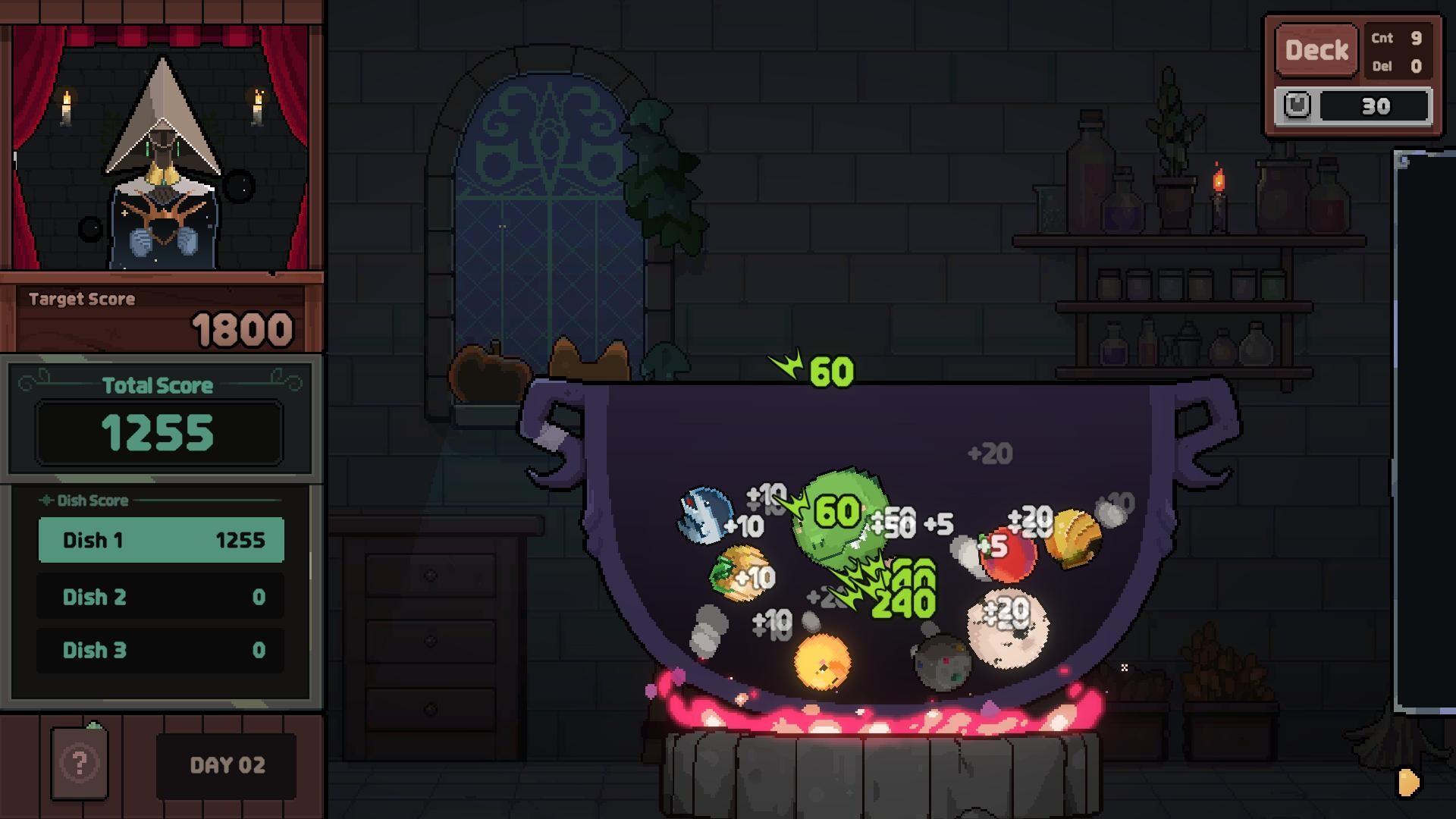
When a reward appears, give it one job before taking it. If you cannot say whether it improves scoring, consistency, economy, or recovery, it is probably adding a second plan before the first one works.
A Clean First-Run Route
- Choose one scoring idea. Do not try every ingredient in the same dish.
- Notice the reaction that carried it. Keep the trigger and result together in your notes.
- Watch the draw order. If the right pieces rarely meet, remove bloat before adding more power.
- Give each relic one job. Prefer support for the route you can already explain.
- Change one layer after a failure. Adjust ingredients, deck size, relic choice, or score planning, then see whether the next dish is easier to read.
After a Dish Falls Apart
Choose the Next Note by the Problem
Read the Kinny Beginner Guide for a safer first-run mindset, then the Kinny Ingredient Reactions Guide for cauldron-reading rules. Use the Deck Consistency and Bloat Guide when new ingredients make the route harder to read, then use the Score Target and Reward Priority Guide for reward choices.
For the current release date and store details, check the official Steam page.