
Rune Dice guide
Rune Dice Class Safe Starts Guide
The safest Rune Dice class start is not automatically the class with the loudest combo. Pick the class or hero start that fixes your current failure: messy dice position, weak scaling, poor cleanup, bad boss prep, or rune panic. Until exact unlock paths and class balance are tested, treat class choice as a run-stability decision, not a tier-list race.
What this guide helps with
Rune Dice throws a lot of class identity at you early: classes, heroes, special dice, abilities, relics, runes, bosses, shops, altars, and unlocks. That is exactly why the safest first question is not "what is the strongest class?" It is: what kind of run do you actually know how to execute?
If your runs die because the board gets chaotic, choose a start that gives you cleaner repeat turns. If your runs die because bosses outlast you, choose a start that can scale into several boss turns. If your runs die because you hold runes too long, choose a start with a simpler trigger so the rune decision is obvious before the fight collapses.
Class Start Decision Table
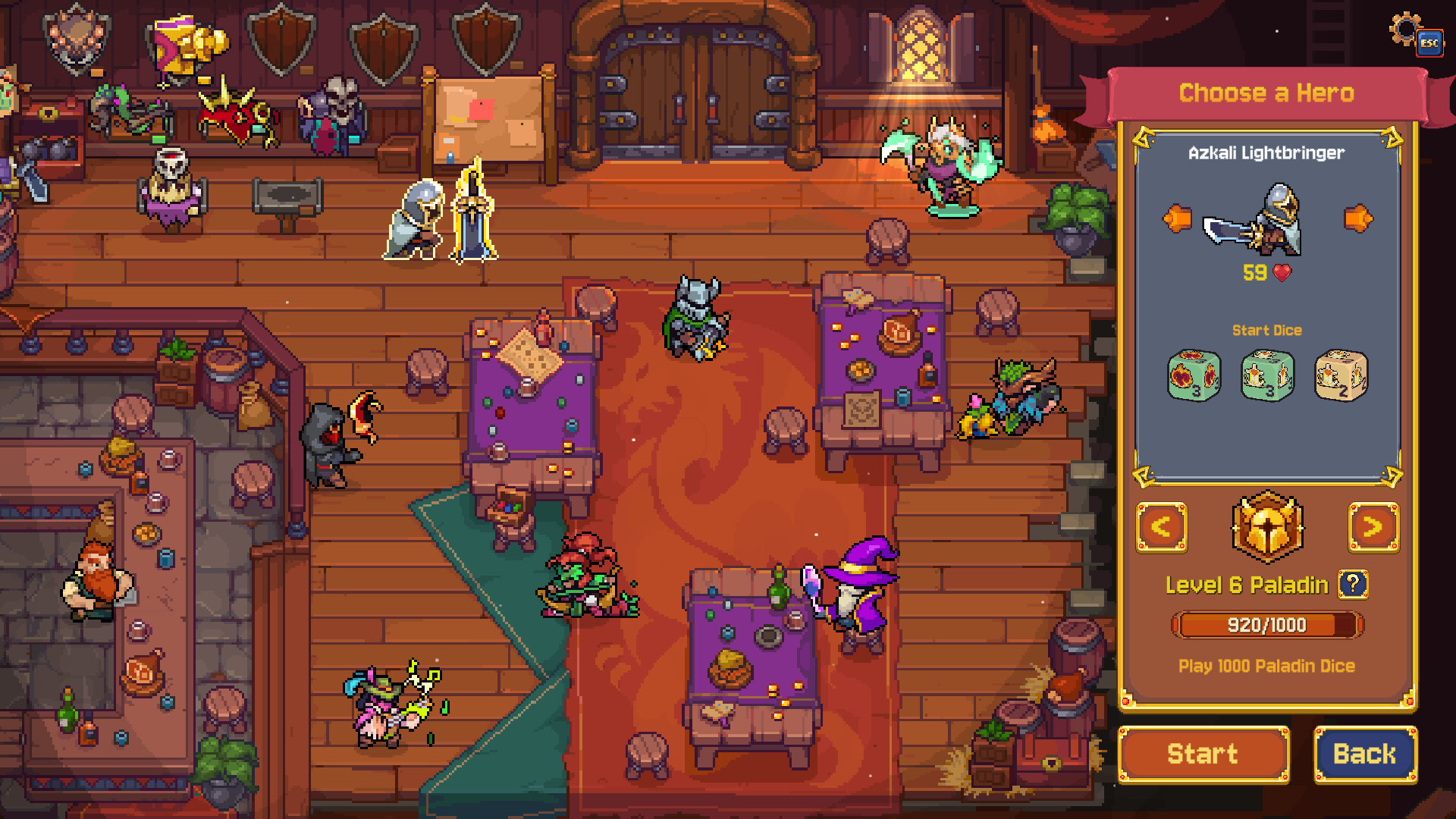
How to Pick a First Class Direction
- Name the failure first. Do not ask "what is best?" before you know whether you lose to aiming, scaling, control, or boss disruption.
- Choose the class that lowers decision load. A safer first clear usually comes from fewer unclear choices, not from the theoretical highest ceiling.
- Respect the starting dice. If the hero start gives you a clear dice identity, buy support for that identity before pivoting.
- Use relics to stabilize the class plan. Permanent support is strongest when it helps the class repeat its normal turn.
- Use runes for the class weakness. If your class struggles when the board changes, save a rune for that exact trigger.
Pivot or Commit Check
After the first shop or relic choice, pause before changing class direction. A pivot is correct only when the current start has failed a specific job. If the plan is still readable, commit long enough to test it against a real route problem instead of rebuilding the run after every offer.
Class Identity Examples
Treat poison pressure, lightning-style offense, and heavy armor as identity clues, not final rankings. A poison-style plan usually wants time and enemy control. A lightning-style plan usually wants clean setup and scaling. An armor-style plan usually wants to survive disruption long enough for the dice plan to matter.
The player mistake is copying the fantasy without building the route around it. If the class identity says pressure over time, do not buy only burst support. If the class identity says explosive offense, do not ignore setup. If the class identity says durability, do not assume durability replaces boss planning.
Safe Start Checklist
- You can describe the class plan in one sentence.
- Your first shop priority supports the starting dice instead of changing the whole run.
- Your relic picks improve normal turns, not only highlight turns.
- Your rune trigger is known before a boss or mini-boss begins.
- You know which failure would force a pivot: no scaling, no cleanup, no control, or no board recovery.
Common Class-Choice Mistakes
Failure Checks
If a class feels bad, check these before dropping it:
- You are buying dice that do not support the starting class identity.
- You are expecting class power to solve poor dice positioning.
- You are saving runes without defining the class's emergency trigger.
- You are entering boss nodes with a class fantasy, but not a boss answer.
- You are copying a high-ceiling idea before the route has enough relic support to run it.
Patch Context
Patch context: use this page to choose a safe class identity before the run turns into random dice upgrades. If a patch moves numbers around, the first question stays the same: what does this class need the board to do before the next shop, altar, or boss?
Related Guides
Start with the Rune Dice Beginner Guide if your first-run route still feels unclear. Use the Merge Chains and Dice Positioning Guide if class starts feel random because dice placement is unstable. Use the Relics and Runes Planning Guide when support choices do not match the class plan. Use the Boss Prep Guide before judging whether a class is actually weak.