Spellsided guide
Spellsided Beginner Guide
Your first Spellsided goal is not the cleverest die. Every step is part of the puzzle: move into a safe position, let the next face solve one visible job, then keep enough of the die readable to answer an obstacle or challenge. If a new face only sounds powerful after three perfect steps, leave it for a later attempt.
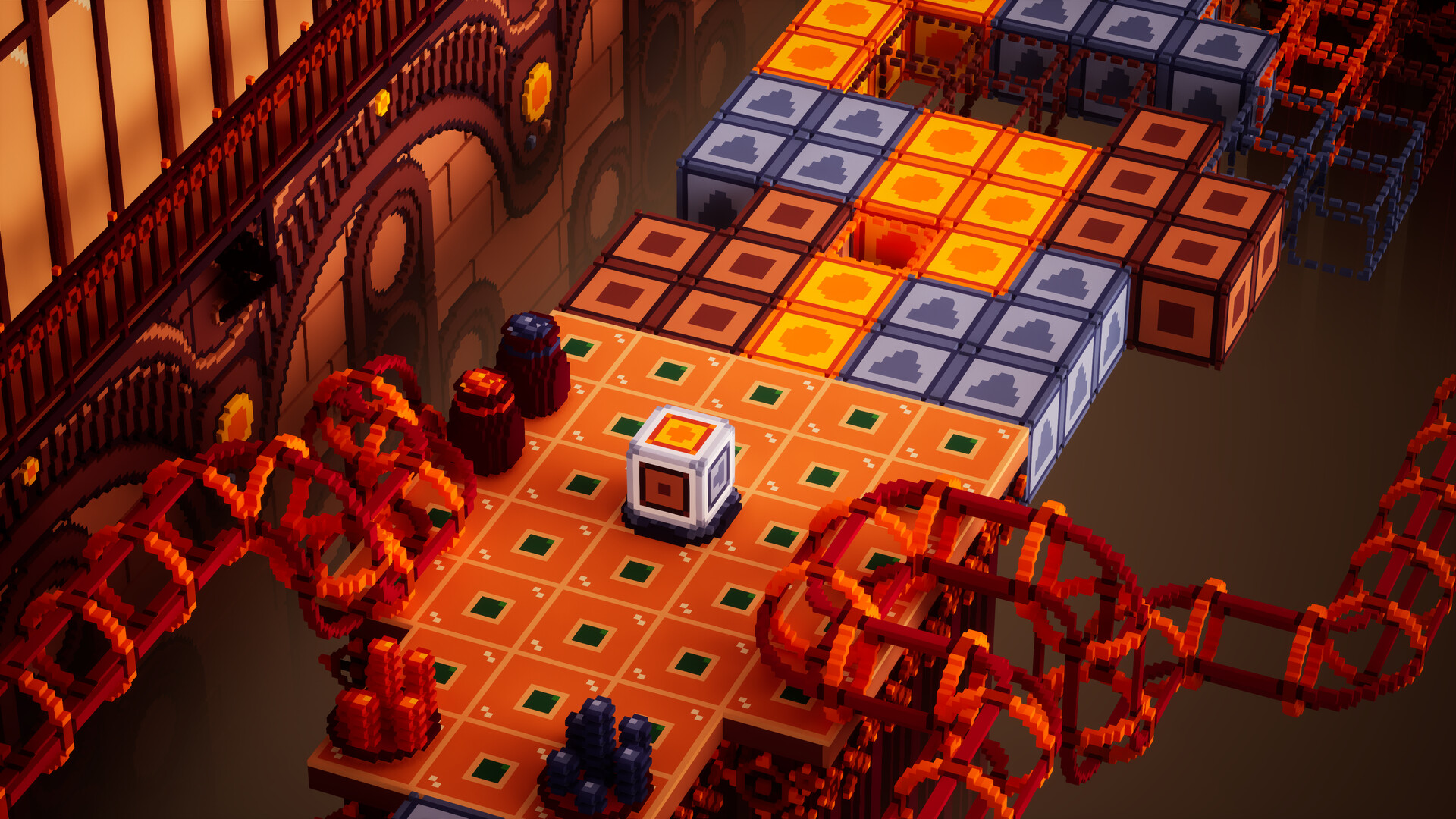
When a Clever Die Cannot Cross the Room
Spellsided casts spells through movement and die-face sequencing. That makes it easy to overbuild a plan before the room has asked for it. Treat the demo like a route-reading exercise: can this die move safely, answer the obstacle in front of it, and still have a payoff before the room closes?
First-Route Decision Table
Beginner Route Rules
- Name the next room pressure before choosing a reward.
- Keep at least one face assigned to safety, movement, or recovery until you understand the room set.
- Do not take an upgrade only because it makes a future combo look cleaner.
- After a failed room, ask which step first stopped being readable.
First Room Review
After the first serious failure, do not restart by asking which spell is strongest. Rewind the room in three beats: the first unsafe step, the first face that arrived too early or too late, and the first reward that tempted you away from the actual problem. If all three beats point to movement, the next route should stay boring and safe. If the unsafe step happened only after the die was already stable, then you can start adding payoff. This review keeps the beginner route from turning into a random collection of good-looking ideas.
When To Push Forward
Push when the route has one reliable safety answer and one clear way to finish a room. Hold back when the die needs a perfect sequence just to survive normal pressure. A beginner route should teach you why the room failed even when it loses.
Three-Step Read Before You Add a Face
Spellsided is built around a customizable magical die and movement-linked spell casting. That makes one quick check more useful than chasing a future combo: trace the next three steps. Where do you move, which face answers the immediate obstacle or enemy pressure, and what is left if that answer does not finish the room? If you cannot name those jobs, the die is already too complicated for the room in front of you.
Where the first route tends to break
- If the die looks powerful but dies before casting the right thing, start with path safety.
- If every room needs a different answer, your faces may not have clear jobs.
- If an upgrade makes the route harder to pilot, it was probably solving style instead of pressure.
Related Guides
Return to the Spellsided guides. If the die order is the issue, open Spell-Face Sequencing. If rewards are confusing, use Upgrade Priority. If a demo route stops working, check the Route Change Checklist.