Spellsided guide
Spellsided Common Mistakes Guide
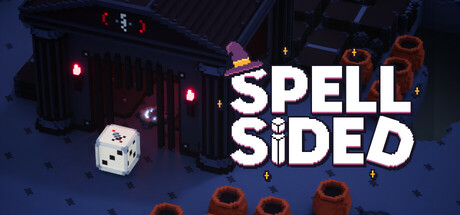
Most early Spellsided mistakes come from diagnosing the die too late. The game ties spell faces to steps through deterministic puzzle-like levels, so separate a blocked path, a wrong face order, a missing obstacle answer, and a payoff that arrives after the dangerous step. Those are different repairs, even when the run ends in the same room.
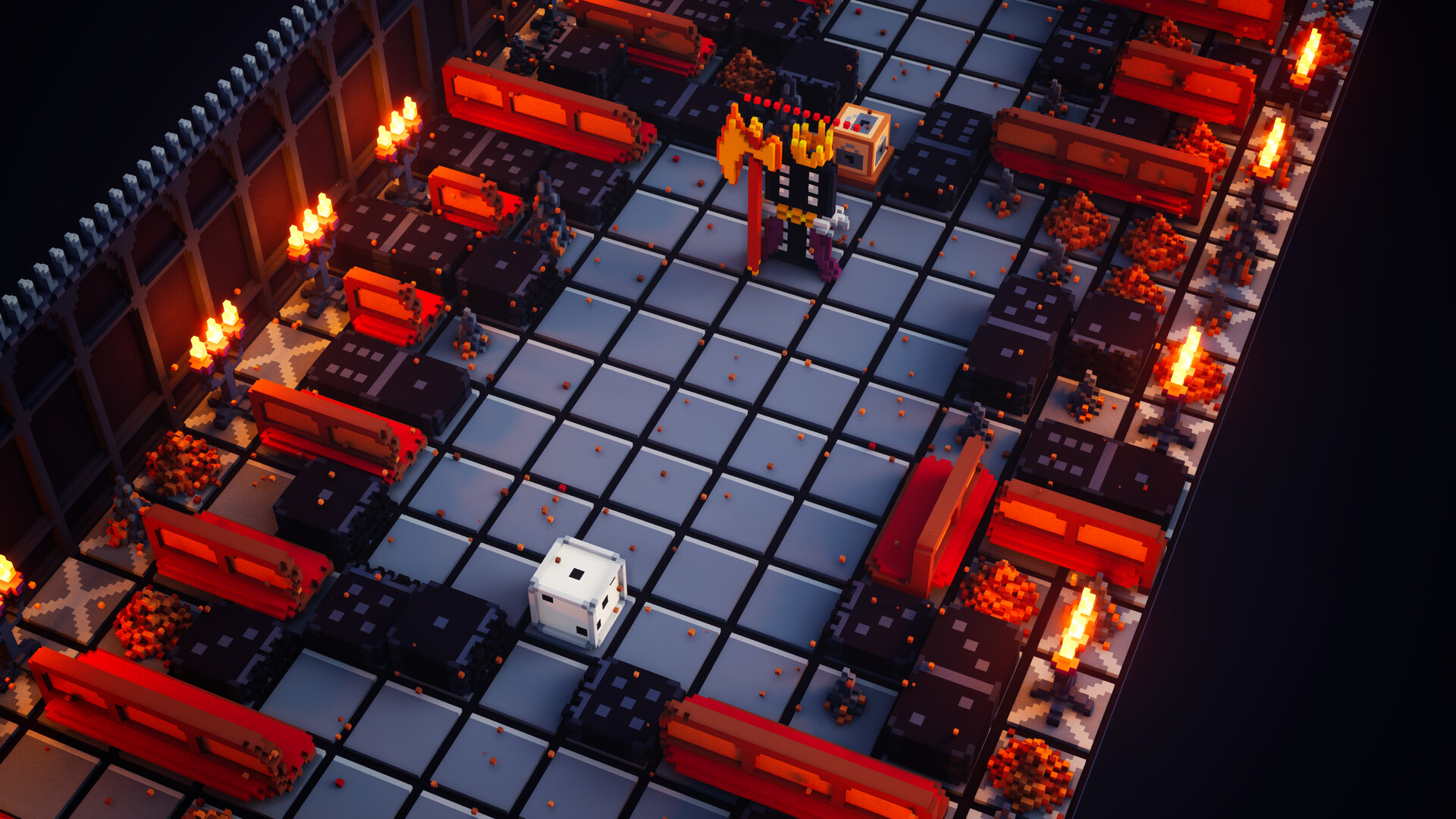
Mistake Table
Situation
A dice-builder makes mistakes look intellectual. You can explain why every face belongs, but the room only cares whether the next sequence works. After a loss, do not defend the build. Rebuild the failure.
Route Repair Ladder
- Replay the first step where the sequence stopped making sense.
- Mark whether the failure was movement, obstacle answer, setup, payoff, or recovery.
- Remove one face or upgrade idea that does not help that failure.
- Repeat the room with the smallest possible change.
Bad Loss Review
A bad loss is useful if it tells you which idea was fake. If the die died before the plan started, the fake idea was probably greed. If the die survived but never finished the room, the fake idea was probably too much safety. If the die only worked when every step lined up perfectly, the fake idea was consistency. Write that down mentally before taking the next reward. Otherwise the next run repeats the same mistake with a different-looking spell face.
Small Fix First
Change one thing after a mistake. Move one face earlier, replace one duplicated job, or choose one reward that fixes the last bottleneck. Big rebuilds feel satisfying, but they make it harder to learn which decision actually repaired the route.
Name the First Break, Not the Final Loss
When a route collapses, do not call the whole die bad. Ask which link broke first. Was movement unsafe before the spell sequence began? Did an obstacle remove the line you needed? Did a useful face appear in the wrong position? Or did the die survive the setup but lack a finish? This turns a vague restart into one change you can carry into the next deterministic level.
Where the run starts to slip
- If the die feels better in theory than in rooms, reduce face jobs.
- If one room keeps killing you, stop adding general power and find the missing answer.
- If every update breaks your plan, you may be memorizing route output instead of route logic.
Related Guides
Use Beginner Guide for first route order, Upgrade Priority for reward screens, and Route Change Checklist when old advice becomes suspect.