Spellsided guide
Spellsided Spell-Face Sequencing Guide

Sequence spell faces by job, not by how exciting each spell looks alone. In Spellsided, the die turns movement and casting into one puzzle: one face should help you reach a safe line, another should answer an obstacle or pressure point, and a later face should convert that opening into progress. A die with six attractive effects can still fail if their order never answers the next step.
Situation
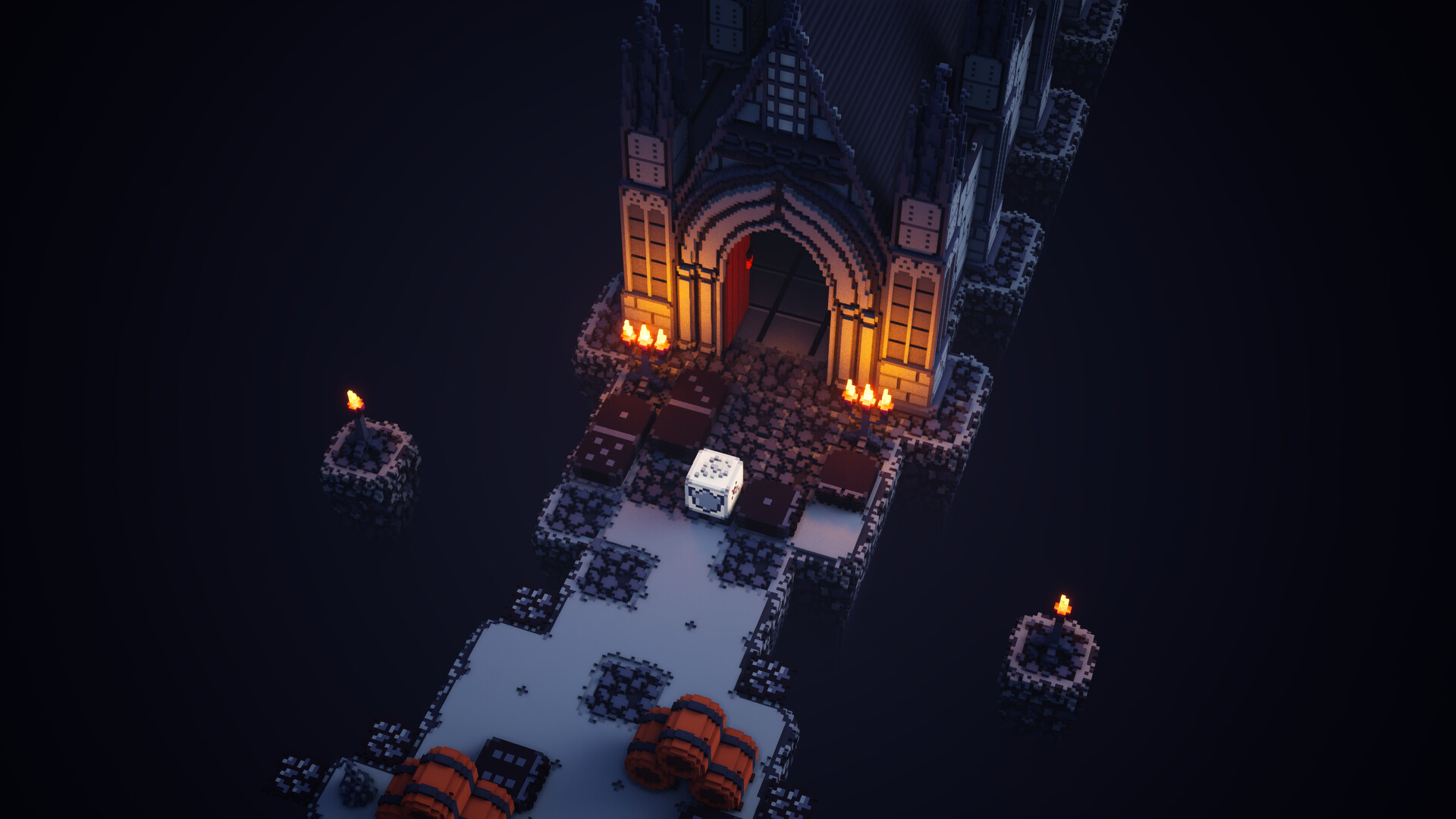
The core pressure is simple: each face can cast a different spell, and every step matters. That means face order is not cosmetic. The sequence decides whether you can move, answer obstacles, and spend damage or utility at the right time.
Face Job Table
Build Idea
Before accepting a new face or rearranging a sequence, write the die in plain jobs: safety, answer, setup, payoff, recovery, flex. If two faces do the same job, decide whether the room needs redundancy or whether one of them is just making the build look deeper.
When Not To Use It
Do not force a balanced six-job die if the current room clearly asks for repetition. Some deterministic challenges may reward a narrow answer. The mistake is not specialization; the mistake is forgetting why you specialized.
Read the Next Four Casts as One Move
Read the next four casts as a sentence: move, answer, prepare, finish. If the sentence starts with finish, the die is probably asking you to survive with no setup. If it repeats prepare twice, the plan may be clever but slow. If it has no answer face before the obstacle, the route is hoping the room will be kinder than it is. The goal is not a perfectly symmetrical die. The order should explain how you intend to cross the next room.
When To Break The Pattern
Break the clean job order when a challenge room teaches one narrow interaction. Keep that narrow sequence only as long as the room keeps asking for it, then return to job-based ordering before the next route branch.
Give Each Face a Place in the Walk
Use a face job that describes when it matters, not how impressive it sounds. Movement faces keep the route from collapsing before the cast. Answer faces handle the obstacle, challenge, or pressure that interrupts the line. Setup faces make the next cast possible. Finish faces turn the safe opening into progress. Recovery faces keep a failed sequence from ending the whole attempt. You do not need every job on every die, but you should know which missing job caused the last loss.
What to check when the plan stops working
- If a face never gets used, it may be in the wrong order or solving a fake problem.
- If the best face arrives after the dangerous step, move safety earlier.
- If every upgrade makes sequencing harder, reduce face jobs before adding more.
Related Guides
Return to the Spellsided guides. Use Upgrade Priority when the next reward changes face jobs. Use Common Mistakes if the die feels clever but brittle.