Romestead guide
Romestead Solo vs Co-op Progression Route

Solo Romestead needs a compact route that closes one bottleneck at a time. Co-op needs a caller, a drop rule, and clear job ownership before anyone leaves base. If the group cannot name the current blocker, fix the route before exploration or boss prep.
The trap is thinking solo is slow because you need more hands, or co-op is fast because you already have them. If this is happening, it usually means the route has no owner: solo opens five jobs at once, while co-op turns into five people proudly solving different problems. Do not leave base until the current blocker has a name.
One Pair of Hands or Eight Competing Priorities
Solo and co-op fail for opposite reasons. Solo fails when you open too many jobs and become your own bottleneck. Co-op fails when eight hands create eight priorities. The trap is thinking more players automatically means faster progress. More players only help when the base has a caller, a drop rule, and one objective everyone can explain.
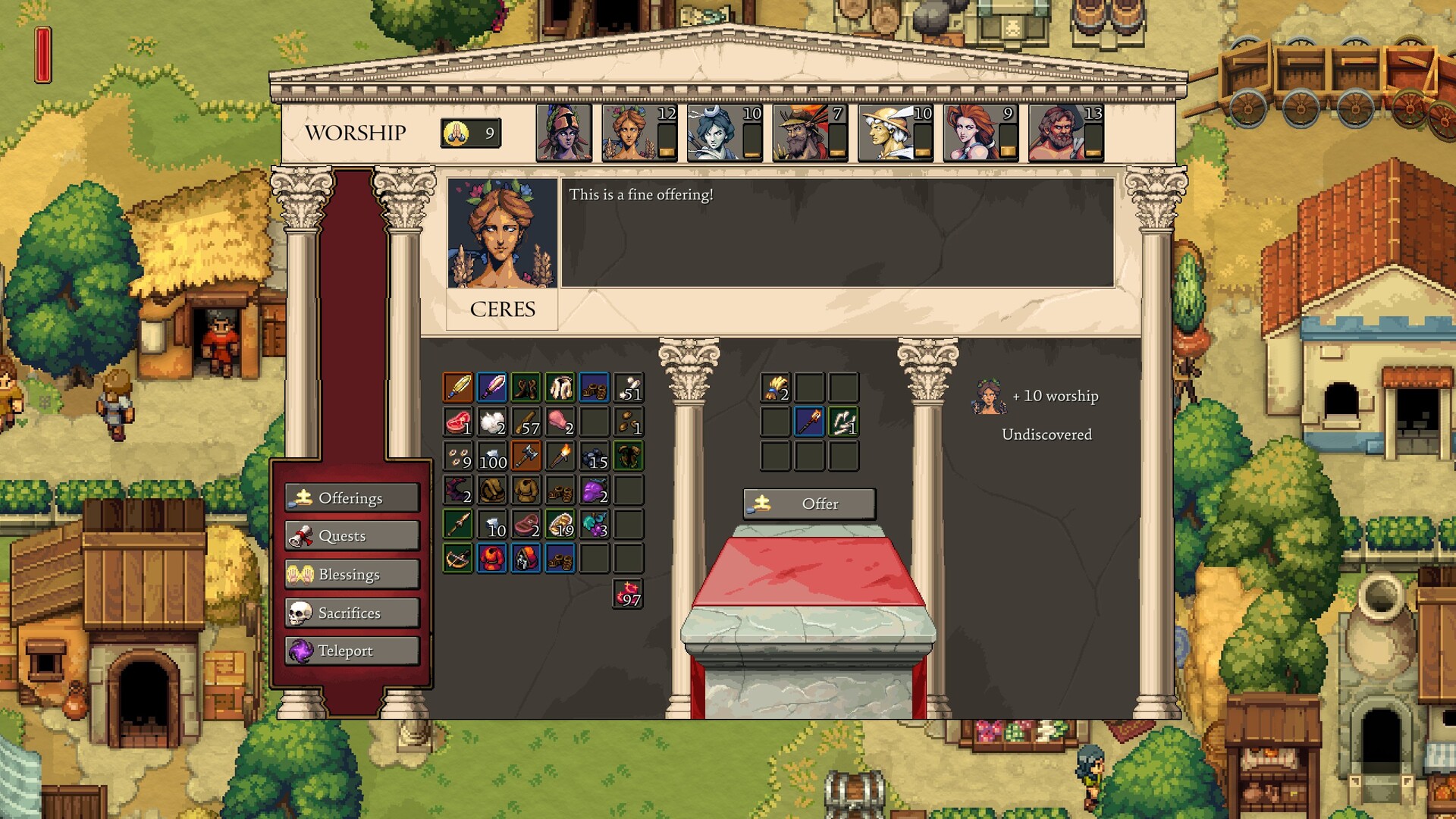
If the session feels chaotic, the recovery move is not splitting even more work. Shrink the plan. In solo, close one loop before opening another. In co-op, make everyone serve the same blocker for one cycle: storage, station input, night reset, boss prep, or exploration return.
Your run is not dead when the group wastes one day. It gets ugly when nobody admits the day was wasted. Stop after one messy cycle, call out the first failure point, and make the next day boring on purpose: one drop zone, one station chain, one return rule, one expedition goal.
Solo and Co-op Add Different Pressure
The official Steam page says Romestead supports one to eight players and scales difficulty with the number of players in the world. Co-op adds hands, but it also adds pressure, so the group still needs a caller, shared drop rule, and return time.
In the June 3 developer update, Beartwigs said much of the early-game pacing frustration was coming from solo players. The same update moved the Logistics Tent earlier in progression. A solo opening can now simplify hauling earlier, but a slow settlement may still be suffering from food, storage, or station routing.
Solo vs Co-op Route Table
Solo Route: Keep the Town Boring First
Solo play has less communication overhead, but every mistake costs your own time. The first solo route should make the settlement predictable: storage near repeated jobs, food and recovery in one visible place, active crafting inputs close to the station that uses them, and a night reset point that does not require searching.
- Stabilize a tiny base loop. Do not expand because space exists; expand when a specific blocker requires it.
- Move the most repeated input first. One storage fix can save more time than a new station.
- Build one active crafting chain. Finish the chain that supports your next biome, god, or boss objective.
- Explore with a named goal. Bring back a needed input, learn a route, or read one boss pattern.
- Reset before the next push. Sort returns, refill food, and repair the base loop before leaving again.
Co-op Route: Assign Jobs Before the Day Starts
Co-op is faster only when players stop duplicating each other's work. Romestead supports up to eight-player co-op, but more players also create more chances for scattered resources, unclear objectives, and late-night returns. Before each day cycle, name the current objective and assign ownership.
Daily Progression Script
At the start of each in-game day, choose one real progression problem instead of opening more half-finished tasks.
Without that decision, a survival-crafting session turns into a group chat with tools. The goal is a clear route, not a pretty base or a dramatic expedition story.
Solo vs Co-op Boss Prep
Solo boss prep should be slower but cleaner: only attempt when the base can recover from failure. A co-op group can divide the risk if one player calls the attempt, one tracks gear or crafting gaps, one keeps the return route clean, and one watches the base reset. If nobody can explain what caused the loss, use the next attempt to read one pattern instead of forcing another all-in run.
Use the First Boss Prep Checklist before any serious attempt. If the issue is role confusion rather than combat, assign the caller, gear owner, return-route owner, and base-reset owner before trying again.
Where the route starts to slip
If solo progress feels heavy, assume you are carrying too many open loops. If co-op progress feels loud but shallow, assume the group has too many leaders and not enough handoffs. Both are routing problems before they are skill problems.
Related Guides
Start with Beginner Guide for the first stable settlement loop. Use Base Layout and Resource Hauling if the route breaks because of storage or walking time. Use Co-op Roles for deeper group job splits, Night Defense for return timing, and First Boss Prep before major attempts.